This page was translated automatically using artificial intelligence (DeepL). The German version is binding. More information about automatic translation
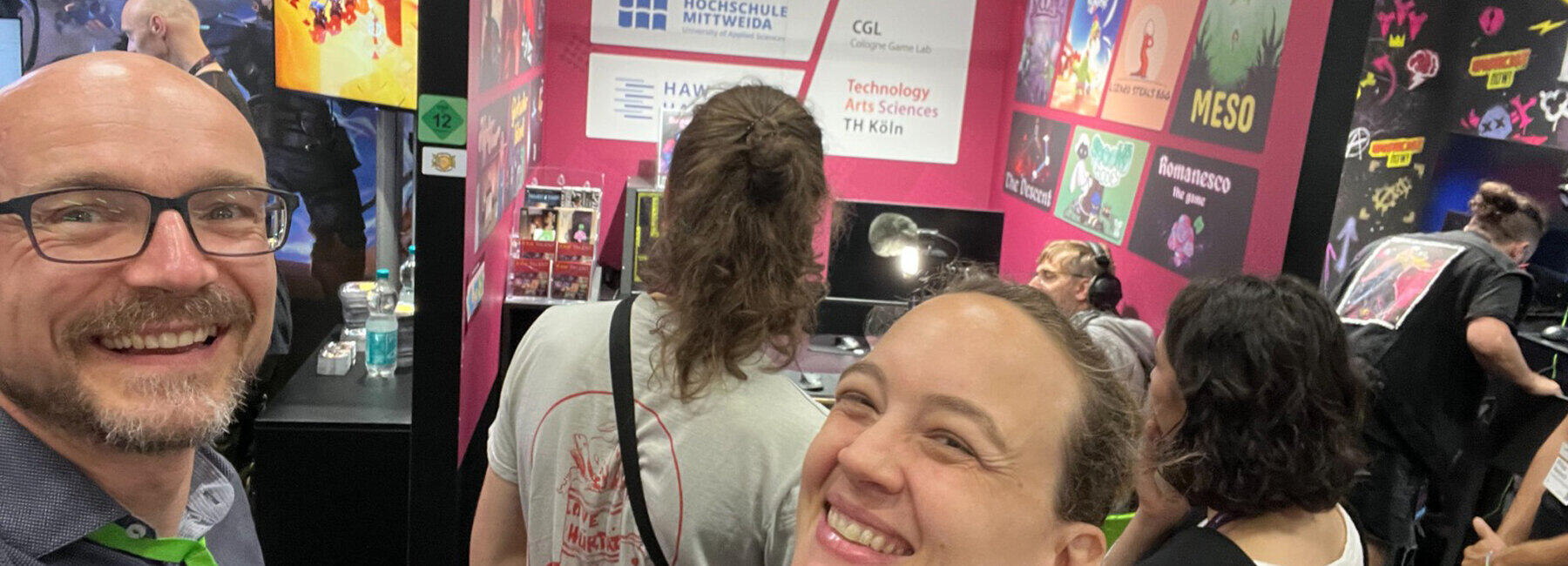
Colourful, creative and original: Gamescom’s Indie Area is regarded as a hotspot for independent game development and, with its numerous indie titles, offers great potential for real hidden gems. This year, from 20 to 24 August, around 50 teams comprising some 160 students will be presenting their games at a 63-square-metre stand there. This marks the first time that student projects have been given their own dedicated stage right in the heart of the Indie Area in Hall 10.2.
“For the past eight years, students from Mittweida University of Applied Sciences have been showcasing their games and projects at Gamescom. At their own stand, with partners such as Samsung, and now alongside other universities,” says Professor Alexander Marbach. He teaches in the Creative Content Design department as part of the Media Informatics and Interactive Entertainment degree programme and supervises, amongst other things, the students’ final-year projects. This is what makes studying in Mittweida so special: every year, fifth-semester students work together to develop a fully-fledged computer game.
Marbach is delighted that students from Mittweida University of Applied Sciences are now exhibiting alongside those from other universities on a large scale in the Indie Area and are thus being treated as indie developers: “Mittweida Games belong here. What makes our degree programme special is that graduates of the Media Informatics and Interactive Entertainment course don’t just go on to work for major developers like Ubisoft, but also have the confidence to take the leap into self-employment and bring their own titles and ideas to life.”
Indie Area as a reality check
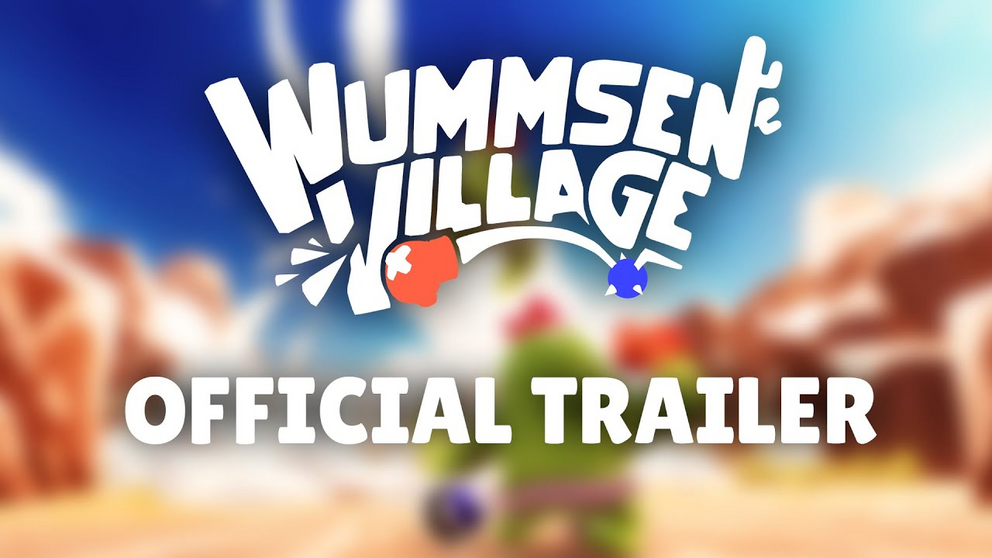
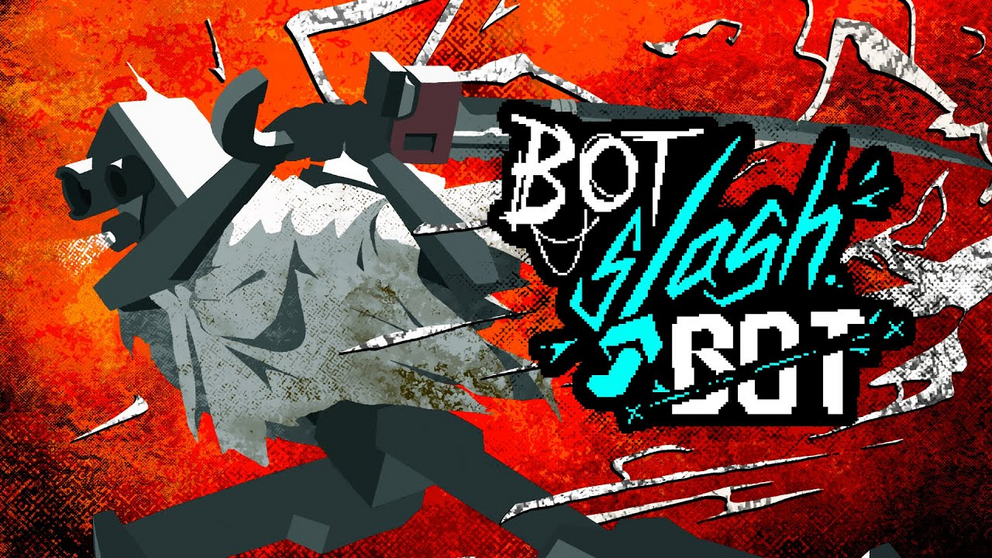
At the event in Cologne, HSMW showcased games such as Bot/Bot (Traveller's Box), Wummsen Village (JoyJab Games), Code 9 (Riding Turtles) and Spooky Bodies (Hero Saplings) – spin-off games from four Mittweida-based development studios run by former students who have set up their own studios. “The Indie Area at Gamescom is the ultimate reality check, a continuous pitch directly to the very people who are meant to play the game,” says Marbach. “Anyone who receives consistently positive feedback from hundreds of players every day is well on the way to launching their first successful game.”
The fact that HSMW students and graduates are not only competing for attention with countless other indie games at neighbouring stands and in the Indie Arena Booth opposite, but also with games from other universities, does not worry Marbach in the slightest: “The ‘Raw Talent’ stand offers all students comparable opportunities to attract attention and spark interest in their own projects – regardless of country, federal state or university. We see ourselves as a major hub of innovation across all universities. And to be honest: Mittweida University of Applied Sciences has nothing to be ashamed of in this regard. Quite the opposite.”
About the ‘Raw Talent’ stand
The 63-square-metre “Raw Talent” stand (stand numbers: D042g – D044g) is organised by eleven state universities from Germany and Austria. Alongside Mittweida University of Applied Sciences, the following institutions are also taking part: the University of Bayreuth, HTW Berlin, Chemnitz University of Technology, Darmstadt University of Applied Sciences, Furtwangen University, Graz University of Technology, Cologne University of Applied Sciences, the Technical University of Munich, Neu-Ulm University of Applied Sciences and the University of Siegen.
Following its debut at Gamescom 2024, the ‘Raw Talent’ format is now entering its second round. At that time, 19 student teams presented their projects in a space measuring just four square metres at the ‘Home of Indies’ (HOI) – organised by UoAS Hamburg, Mittweida University of Applied Sciences and Cologne University of Applied Sciences.
About the Media Informatics and Interactive Entertainment degree programme
Every year, around 90 students choose to enrol on the ‘Games’ degree programme at Mittweida University of Applied Sciences. The underlying teaching concept is entitled ‘Digital Skills and Products’ and has received numerous awards, including the Saxon Teaching Prize. Throughout their degree programme, students apply the theoretical knowledge they have learnt in projects that span several semesters.
“Individual coaching supports the learning process. IT and creative skills are combined, not only in the joint development of the game at the end of the degree programme, but also in projects with clients from the business world,” explains Professor Matthias Baumgart, who, as Dean of Studies, is responsible for the further development of the programme, highlighting another distinctive feature of the ‘Games degree’ in Mittweida.