This page was translated automatically using artificial intelligence (DeepL). The German version is binding. More information about automatic translation
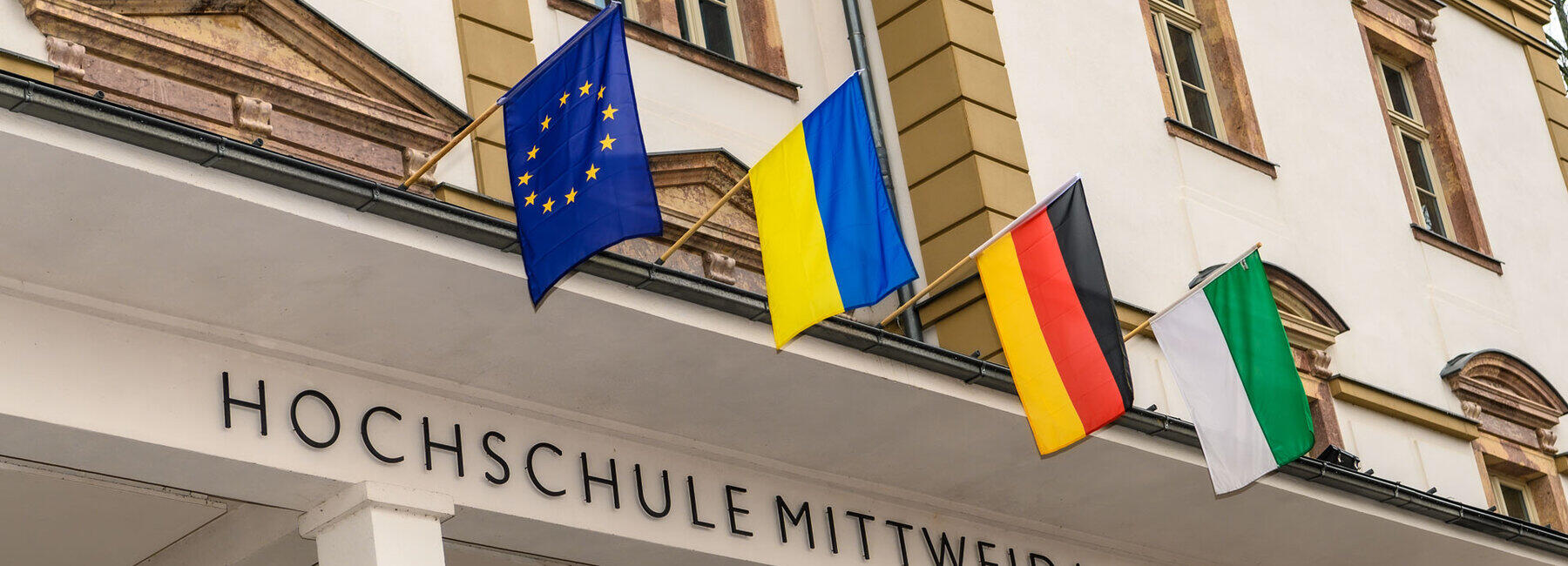
24 February marks the anniversary of Russia’s invasion of Ukraine. As a sign of solidarity, the Ukrainian flag – blue and yellow – is flying at the main building of Mittweida University of Applied Sciences – a symbol, too, of the university’s concrete commitment to affected students and academics since the start of the war.
In the first few weeks, the main focus was on providing material and psychological support to the university’s Ukrainian students and to those students and academics who had arrived as refugees. This support continues, but it quickly became clear that the approximately 80 Ukrainians who have found a temporary academic home at the university also need medium-term prospects for continuing their studies and research here.
The university has made it its mission to provide both: on the one hand, rapid initial assistance and support to help them settle in; and on the other, the provision of academic programmes.
Rector Volker Tolkmitt on the occasion of the anniversary: “Through the commitment of many members of the university community, we are showing solidarity with our partner universities in Dnipro and Odessa, as well as with the whole of Ukraine. This is a long-term endeavour. We are doing our bit to ensure that Ukraine has the next generation of academics it will need to rebuild the country once Russia once again respects the sovereignty of its neighbours and finally brings the war to an end.”
Following the initial opening of mainly English-language courses to Ukrainian students, Mittweida University of Applied Sciences is now enabling students to continue and successfully complete their studies from anywhere through the ‘Ukraine digital’ project, which is funded by the German Academic Exchange Service (DAAD). As part of the project, the university is digitising teaching materials, mainly on economics-related topics. Students at Mittweida University of Applied Sciences’ partner universities in Odessa and Dnipro can access these materials from anywhere in the world via a virtual platform.
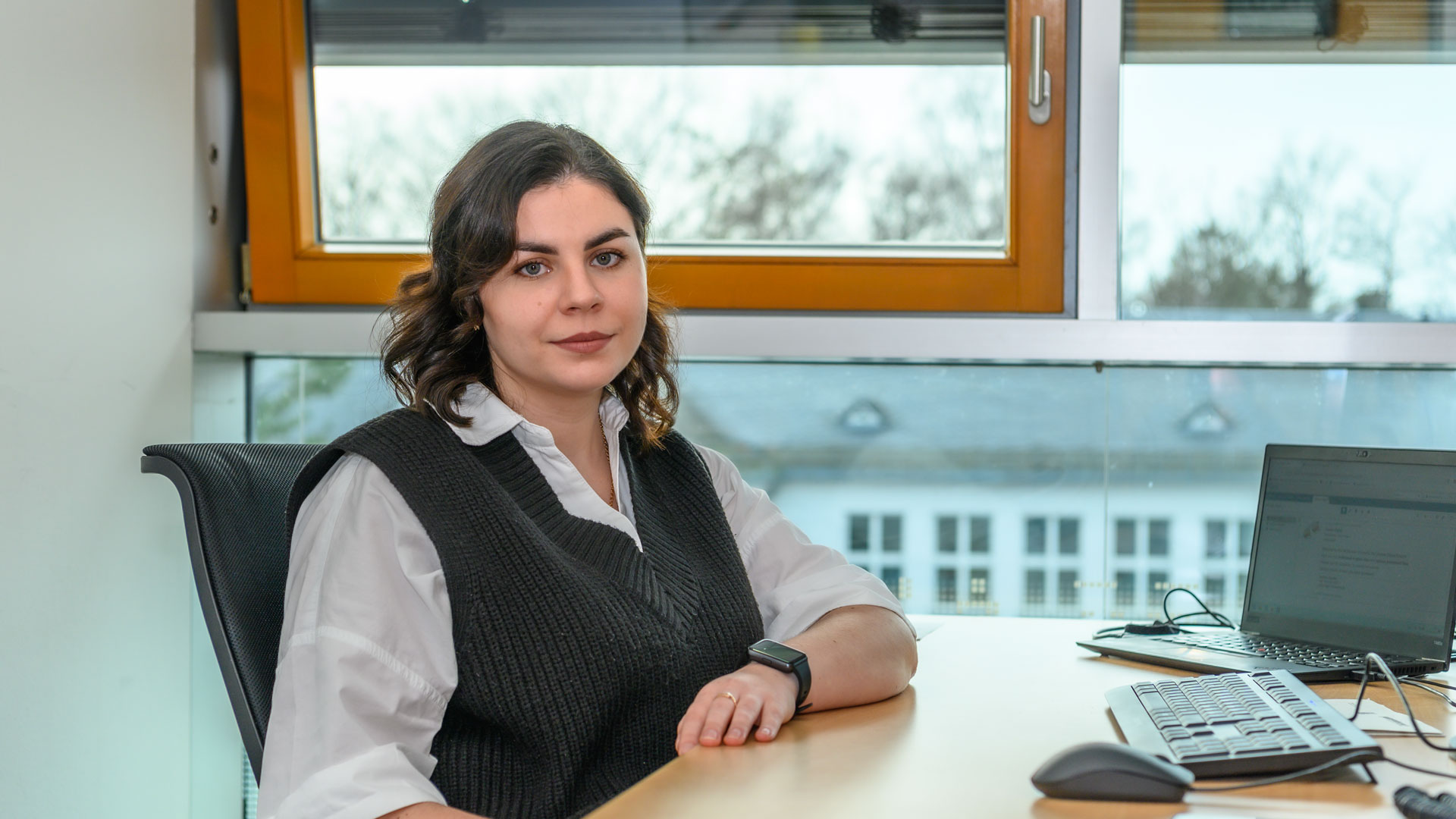
Daryna Karpiuk (26) is working on the “Ukraine digital” project whilst studying for her Master’s degree in Industrial Management. She first came to Mittweida last year with her daughter, who was one year old at the time. Her husband joined her later. She had already spent a semester as an exchange student at Mittweida University of Applied Sciences in 2017. She says: “It is very important to me to do something for my university in Odessa and the students in Ukraine during these difficult times. The digitisation of teaching materials in our ‘Ukraine Digital’ project enables Ukrainian students to continue their studies despite the war, no matter where they are. I’m always thinking about the future of my country after the war.”
There are currently 73 Ukrainian students enrolled at Mittweida University of Applied Sciences. Over 200 Ukrainians are currently preparing to study in German at the university’s preparatory college. No other preparatory college in Germany supports more young Ukrainians.
In addition to the students, Ukrainian academics have also come to Mittweida University of Applied Sciences, six of whom have found a temporary home at the university. The Vice-Rectorate for Research secured a one-year research fellowship for them at very short notice through the Volkswagen Foundation.
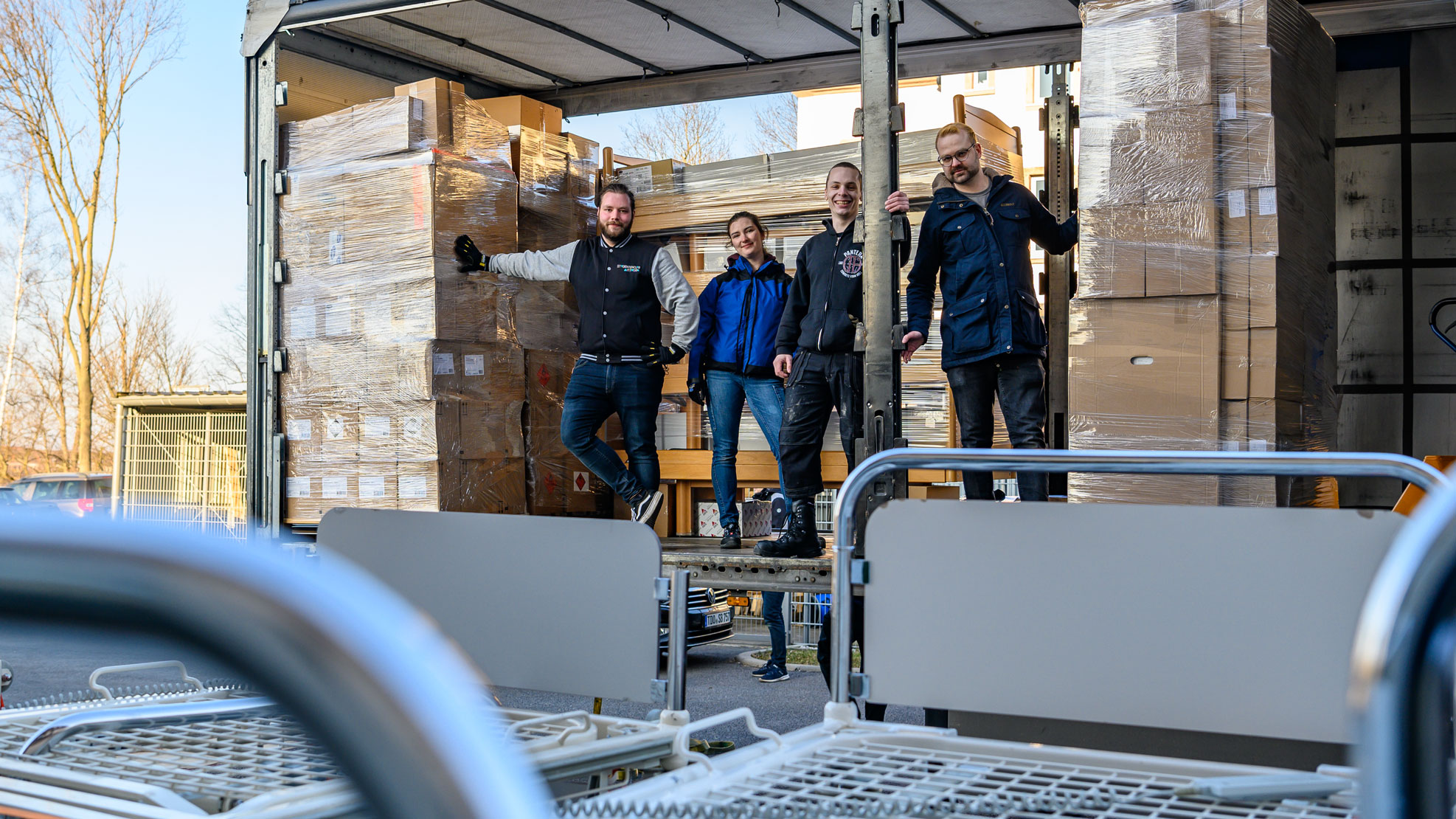
Civic engagement by members of the Mittweida University community
These various activities, which provide students and researchers at Mittweida University of Applied Sciences with an academic perspective, have been organised and continue to be supported by practical and financial assistance to help them settle into life in the university town. The university and the local council work closely together on this. The joint information centre ‘T9’ has also become an advice centre for Ukrainians and a hub for offers of assistance from the people of Mittweida.
Shortly after the war began, students and staff at the university worked together in a pragmatic manner to launch numerous initiatives. They organised accommodation for Ukrainian students, academics and their families. Staff at the International Office helped with dealing with the authorities. The Student Council organised the provision of furniture and household items, which was funded by donations – as were the students’ day-to-day living expenses until support from the Immigration Office and subsequently the Jobcentre came into effect. The Student Services Organisation provided ‘free meals’ in the canteen. The university arranged scholarships, including a ‘Deutschlandstipendium’ for 12 students from Ukraine, funded in part by sponsors from the university town. The university’s Institute for Competence, Communication and Languages (IKKS) organised German language courses. The Faculty of Social Sciences and the International Office organised a Ukrainian cultural evening in collaboration with the Müllerhof e.V. socio-cultural centre. All refugees can take part in the university’s leisure and sports programmes free of charge.
Mittweida University of Applied Sciences provides information on its website for students and researchers from Ukraine regarding support services. Anyone wishing to help personally can also find information here.