This page was translated automatically using artificial intelligence (DeepL). The German version is binding. More information about automatic translation
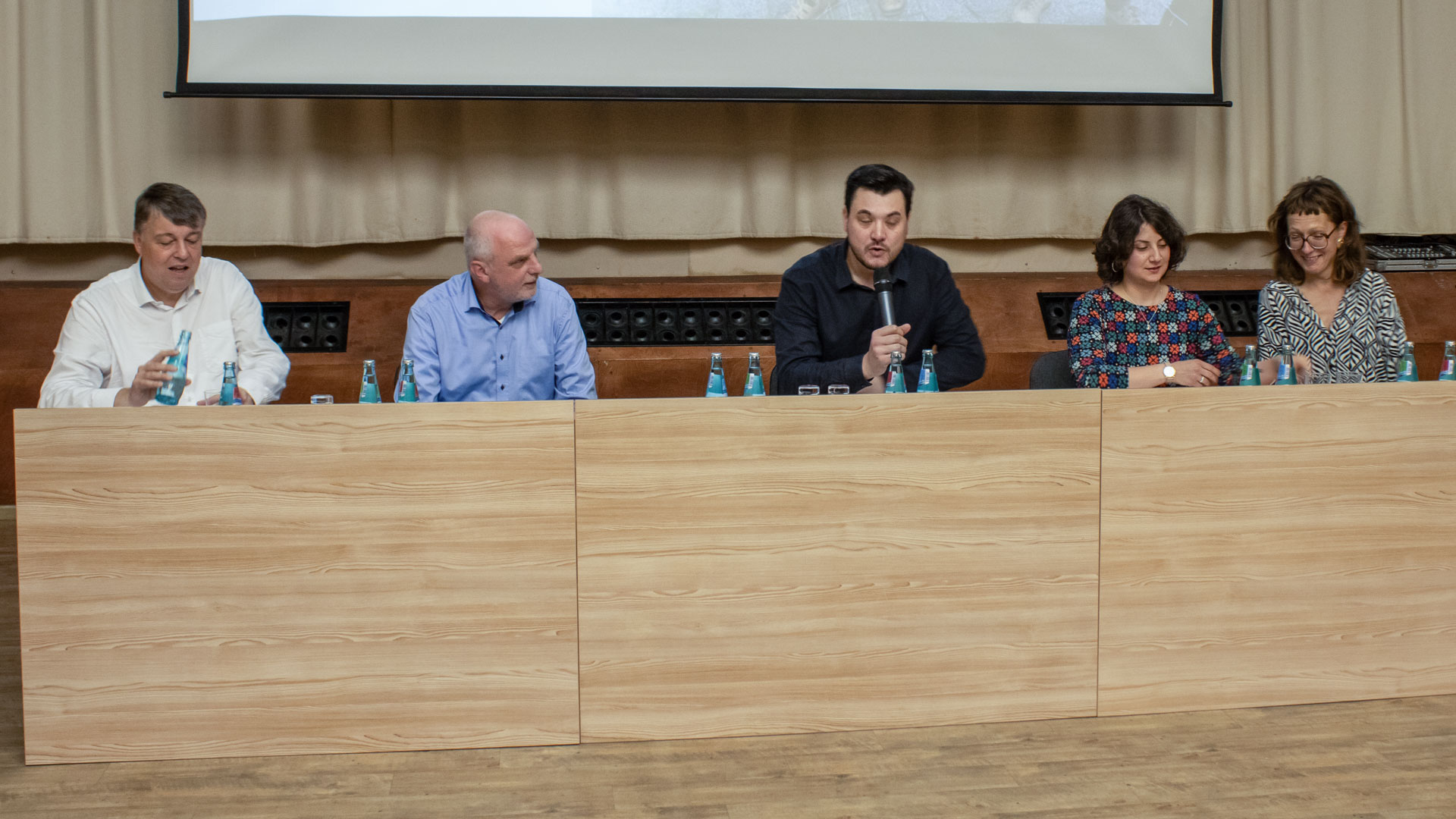
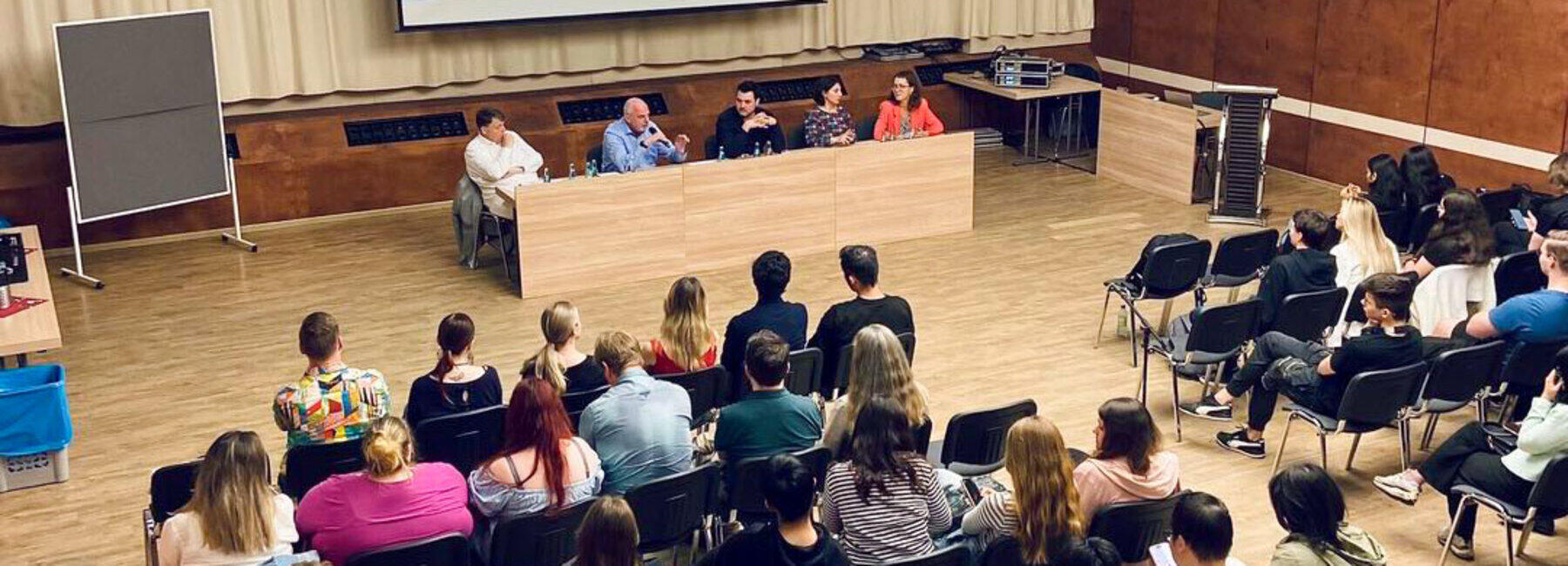
To allay concerns and encourage future skilled workers – who had previously chosen Saxony but have now begun to have second thoughts – to stay. That was the aim of Detlef Müller, Deputy Chair of the SPD parliamentary group in the Bundestag and Member of the Bundestag for Chemnitz. On 20 June, he took part in a round-table discussion at the Luxor Event Centre in Chemnitz with international prospective students who are preparing for their studies in Germany at the preparatory college of Mittweida University of Applied Sciences.
“Some of my students are frightened and are wondering whether Saxony will still be safe for them in future,” explains Peter Maring, head of the preparatory college, which is based in Chemnitz. The current trigger for this concern is the elections in Europe and Saxony. “Our students are following the political debates very closely. They are even more attuned to the election results. If extremist parties continue to gain strength, Saxony’s competitive disadvantage will only grow. This undermines all the efforts being made jointly by politicians, the business community and us as universities to tackle the shortage of skilled workers.”
At Mittweida University of Applied Sciences’ preparatory college, 272 international prospective students from forty countries are currently preparing to study in Germany. Some are learning German, whilst others are studying for the placement examination, which – similar to the German Abitur – grants access to higher education. Some are doing both. Currently, over 1,300 international students are studying at Mittweida University of Applied Sciences, which accounts for around a quarter of its total student body (as at 1 May 2024).
In recent years, 80 per cent of the preparatory college’s graduates went on to enrol in a degree programme at Mittweida. This retention rate is now under threat. Many students at the preparatory college are unsettled by the results of the European and local elections and are looking ahead to the upcoming state elections in September with great concern. Quite a few have already applied to universities in the former West German states.
The round-table discussion gave the students the opportunity to voice their concerns and fears. In a keynote speech, Müller put the European election result into context. He made it clear to the students that many people in Saxony are committed to a cosmopolitan, pluralistic society, and that Saxony is a good place to study, work and live. Many of the students’ questions centred on the reasons behind the AfD’s electoral success, particularly amongst young people.
A cosmopolitan university
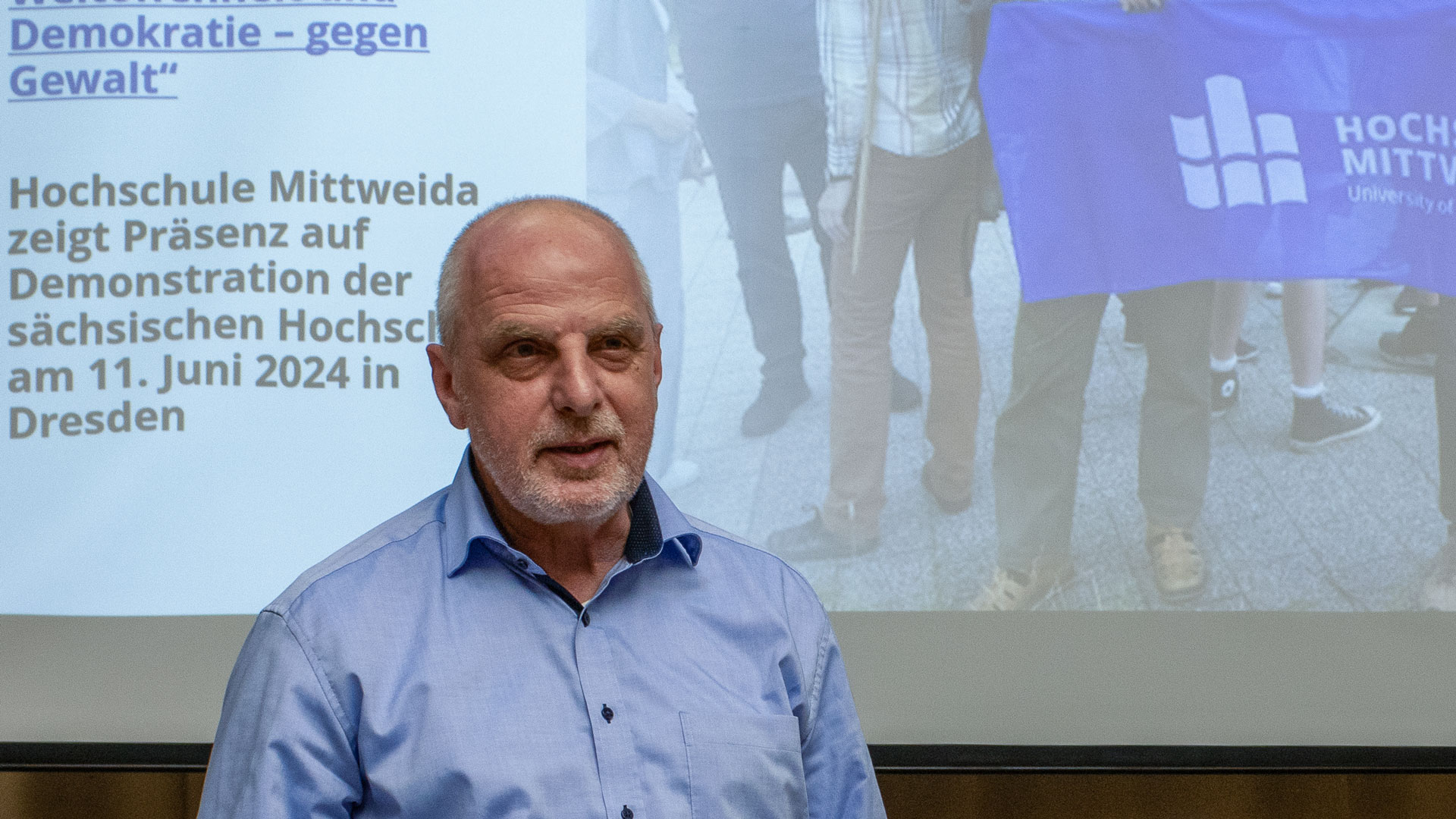
Vice-Chancellor Christoph Meyer had earlier opened the event with a presentation on the topic of ‘A Cosmopolitan University’. He said: ‘You are welcome here in Mittweida. Election results will not change that. The university will do everything it can to ensure that this remains the case in future.’
Alongside Müller, Meyer and Maring, Chemnitz City Councillor Julia Bombien and Seyma Yildirim also joined the discussion with the preparatory course students. The question-and-answer session following the talks lasted a total of 90 minutes. Bombien offered to act as a point of contact for the prospective students should they ever become victims of racism. When asked by Müller, the students stated that they had not yet been victims of such incidents. Nevertheless, their fear is real, and the event helped to allay those fears.
The panellists emphasised that every student at the preparatory college is part of a pluralistic society, and encouraged them to play their part in it. Even if they are not citizens, they can get involved to champion a cosmopolitan society. “There are associations, initiatives, political parties and trade unions where you can get involved,” said Maring. “I think that was the most important point, because it empowers people. That way, they aren’t simply left feeling powerless in the face of change.”
(Photos: Studienkolleg)