This page was translated automatically using artificial intelligence (DeepL). The German version is binding. More information about automatic translation
Secure your place in the lecture theatre now
Following the lecture, the popular Children’s University diplomas will once again be awarded to those who have attended at least four events in 2026.
What’s it all about?
How will we get around in the future? Quietly, easily and electrically – without any petrol or smelly exhaust fumes. In our Children’s University, we’ll dive into the world of modern e-mobility together and discover how clever electric vehicles are built that are good for our environment.
We’ll not only explore exciting explanations of how an electric drive works and what sets it apart from a petrol engine, but also look at plenty of real-life examples. Through colourful, real-world examples, you’ll see how researchers are constantly coming up with new, cool ideas for the cars of the future. There are already vehicles today that run solely on electricity – and perhaps you’ve got a brilliant idea of your own on how cars can become even more environmentally friendly!
Join in and find out how we can all travel towards a clean, green future. Become an electric car explorer and help shape the mobility of tomorrow!
Your lecturer:

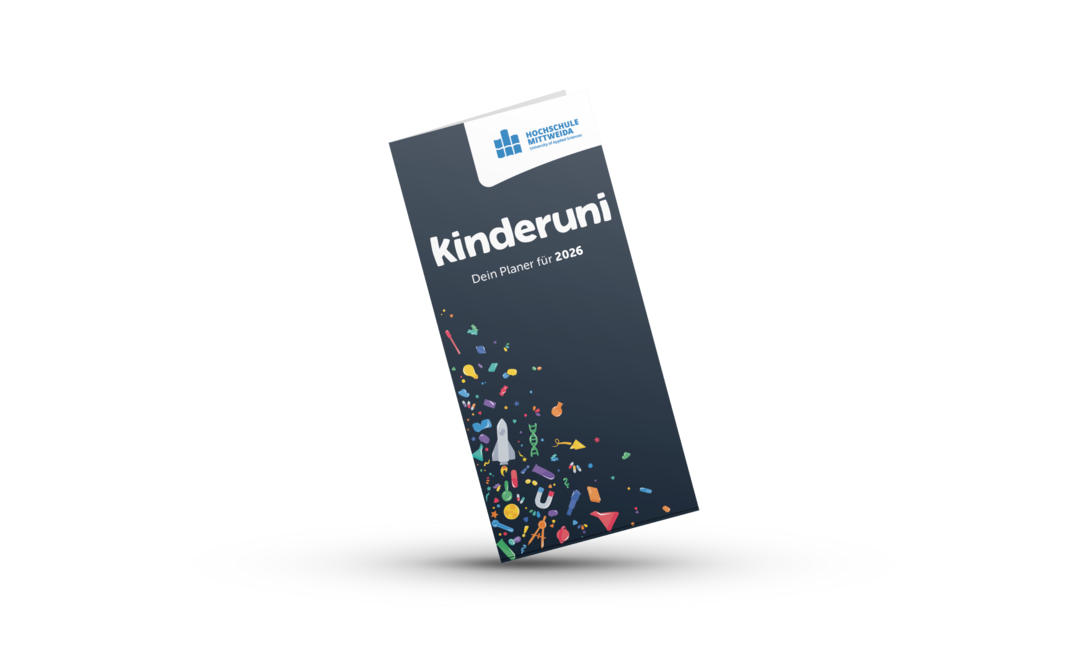
Our programme leaflet for the Year of Knowledge 2026 is available at many public locations in and around Mittweida. You can also download the programme as a PDF here. Alternatively, you can of course pick one up at the children’s universities at Mittweida University of Applied Sciences, or sign up for our newsletter.
Good to know!

Questions & Answers
Everything you need to know about enrolment, lectures, attendance and your visit to Mittweida University of Applied Sciences. Your family will find what they’re looking for here too – because, of course, they’re welcome to come along and have a look!
Information about your visit to Mittweida University of Applied Sciences

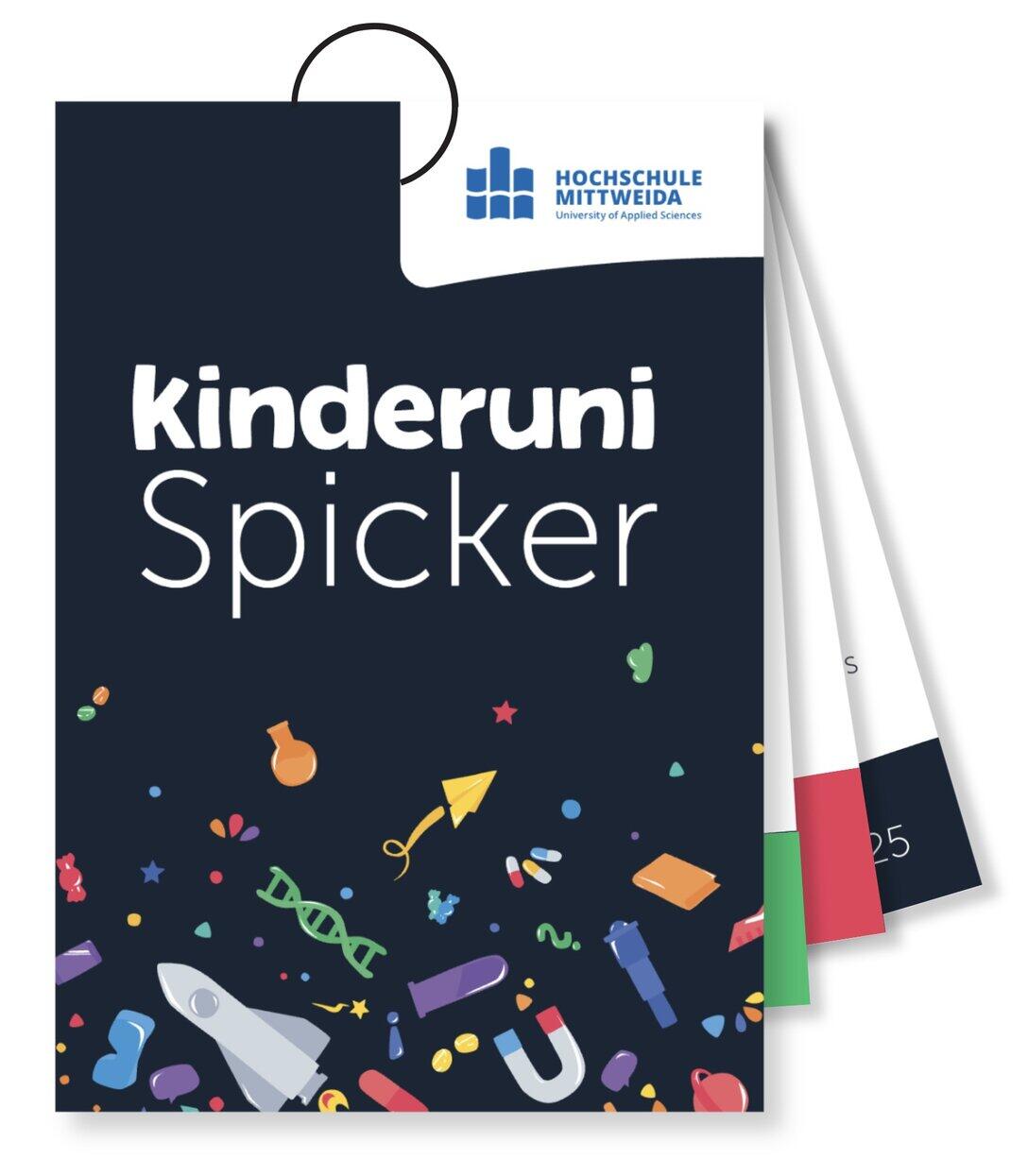
Cheat sheet
For lasting knowledge: After every lecture, we’ll give you a knowledge card as a gift. This way, you can gradually build up your own Children’s University cheat sheet. Each knowledge card contains the key points on the topic of the lecture – explained clearly and with plenty of examples. If you’ve missed a lecture, you can download your cards here.
Partnerships
Working together for children’s future: The Children’s University thrives on strong partnerships. Together with schools, businesses and other organisations, we create exciting learning opportunities that inspire children’s interest in STEM subjects (science, technology, engineering and mathematics).


Adults might like this
Experience that ‘aha’ moment in a range of other interesting formats at the HSMW: whilst the Controversial Dialogue (Dialog Kontrovers) series sees current topics discussed with various experts, the lecture series features fascinating talks that shed light on the world of science. As always, clarity and mutual exchange are the top priorities.
‘Controversial Dialogue (Dialog Kontrovers)’ | Lecture Series