




Industrial Data Layer für KI-basierte Prozessanalysen
2941
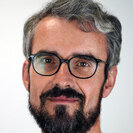
Christian Roschke
This page was translated automatically using artificial intelligence (DeepL). The German version is binding. More information about automatic translation
Prof. Dr.-Ing. Christian Roschke studied Applied Computer Science and subsequently specialised further in the Master’s programme in Data and Web Engineering. Even whilst still a student, he engaged intensively with embedded systems, software architectures and the interaction between hardware, software and distributed systems. A particular focus was on how complex technical systems can capture, process and efficiently make data available in networked environments. As part of his PhD research in the field of multimedia information retrieval, he combined concepts from distributed systems with artificial intelligence techniques to automatically index, structure and intelligently analyse large, heterogeneous multimedia datasets. His work centred in particular on scalable processing procedures, data-driven analysis methods and the integration of traditional information systems with modern machine learning techniques.
Since 2021, he has held the Chair of Digital Transformation and Applied Media Informatics at Mittweida University of Applied Sciences. His research and teaching lie at the interface of artificial intelligence, embedded and distributed systems, and human-machine interaction, with technological approaches consistently being translated into application-oriented systems and usage scenarios. A current focus is on the collection, networking and intelligent use of multimodal data, particularly in the context of mobility, where data from sensors, vehicles and digital infrastructures is analysed using modern AI methods. The aim is to develop robust, practical solutions for data-driven decision support and automation.

We combine scientific principles with the latest developments and practical application scenarios. Students should not only be able to use digital technologies, but also understand how they work, critically assess their potential and apply them independently to solve real-world problems. In doing so, specialist knowledge is always linked with methodological, social and communication skills.
The focus is on application-oriented and project-based teaching. Theoretical concepts from computer science, media informatics and digital transformation are tested and further developed through practical tasks. Students learn to analyse complex issues, select appropriate methods and design viable technical solutions. Interdisciplinary collaboration and exchange with partners from academia and industry create a direct link to professional and societal practice.
I view teaching as a collaborative and open learning process. Curiosity, creativity, independent thinking and the courage to experiment form the basis for discovering new solutions. My aim is to empower students to play an active and responsible role in shaping the digital transformation, drawing on a sound technical foundation.
— Prof. Dr.-Ing. Christian Roschke
tes2
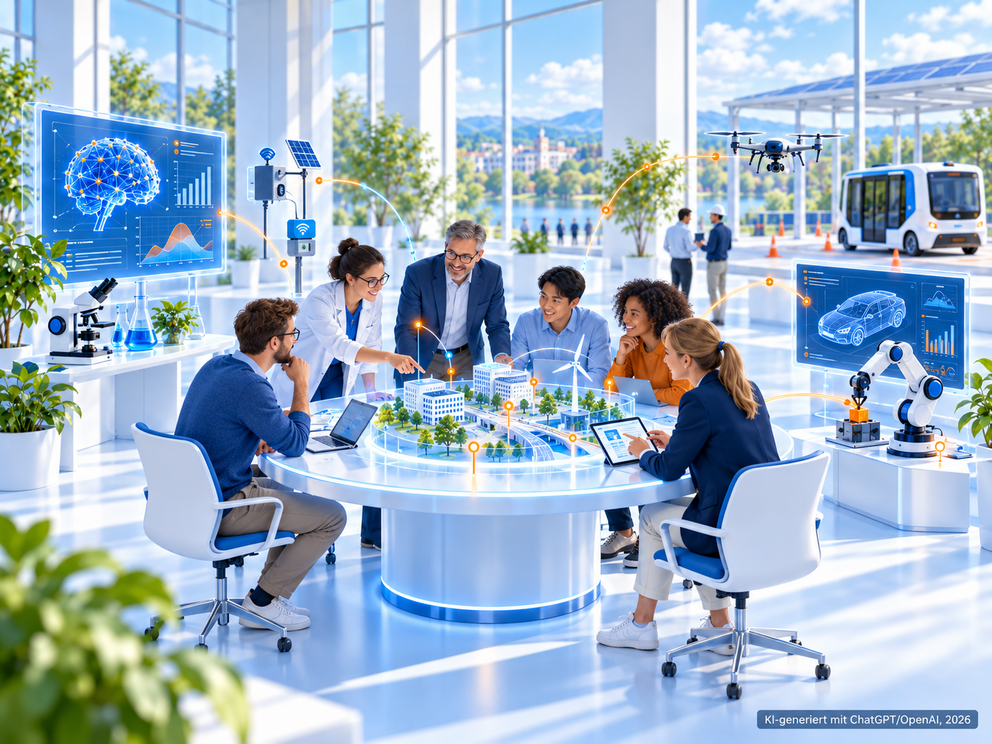
We focus on current issues relating to digital transformation and applied media informatics. Our work centres on linking scientific findings with specific technical and societal challenges. New methods and technologies are therefore tested in real-world application scenarios and further developed into robust solutions. Thematic areas range from artificial intelligence and intelligent data processing, through interactive media and human–machine interaction, to networked, embedded and mobile systems. Particular attention is paid to the question of how large and heterogeneous data sets can be accessed, linked together and used responsibly.
These priorities are also reflected in our specific research projects. In the Mobility for Saxony project, we are developing AI-supported methods and data pipelines for the collection, linking and analysis of multimodal mobility data. Ileas focuses on the development and testing of digital and AI-supported teaching and learning tools in realistic test environments. As part of Saxony5, we are working, amongst other things, on AI-based matching algorithms that automatically correlate diverse information, skills and needs. As research is a collaborative process, we adopt an interdisciplinary approach in our projects and cooperate with other universities, research institutions, companies, and public and civil society stakeholders.
Bringing expertise together, broadening perspectives
Research thrives on the exchange of different perspectives and expertise. That is why we work closely with other departments. Through joint projects, teaching programmes and research initiatives, we combine our specialist areas of focus and develop new approaches at the intersections of computer science, digitalisation, media and other fields of application.
Beschreibung Professur 1
Partner 2
Partner 3
Partner 4
Academic research in dialogue with the professional world
Close collaboration with businesses, public bodies and other partners in the field is a key part of our work. Together, we translate scientific findings into concrete application scenarios, develop new approaches and address current issues arising from the field. This generates impetus for research projects, courses, theses and long-term collaborations.
Industrial Data Layer für KI-basierte Prozessanalysen
TransferLotse Mittelsachsen – Entwicklung eines digitalen Assistenzsystems zur intelligenten Vernetzung von regionaler Wirtschaft und Wissenschaft
Konzeption und prototypische Entwicklung eines innovativen Fahrphysikmodells für Anwendungen in operativen Schwerlasttransportszenarien
ILEAS: TP 07 - Testumgebung für KI-gestützte Lehr-Lern-Instrumente
Konzeption und Umsetzung eines Lernfeld-Wissenschaft-Projektes Automatisierte Generierung und Fehlerbehandlung von Bestandteilen einer Open World Simulation
Development and Evaluation of a Feature for a University Application to Increase Motivation and Reduce the Dropout rate of Students in Higher Education
Evaluating a Gamified Learning App: Usability, User Experience and Learning in Higher Education
Evaluation Research Proposals on Metadata Using Machine Learning Methods
Evaluierung einer gamifizierten Lern-App: Usability, User Experience und Lerneffekt in der Hochschulbildung
Machine-Learning-Driven Assessment of Text-Data from Research Proposals
Thank you very much for your interest in our work and in the topics we explore in our research and teaching. It is particularly exciting when different perspectives come together, new ideas emerge and academic questions give rise to concrete solutions.
If you are interested in our research, have an idea for a joint project, or would like to discuss current issues relating to digital transformation and media informatics, please do get in touch.
It is not enough to know; one must also apply what one knows. It is not enough to want; one must also act.
— Johann Wolfgang von Goethe (Wilhelm Meister’s Journeyman Years)
We look forward to new perspectives, ideas and encounters.