This page was translated automatically using artificial intelligence (DeepL). The German version is binding. More information about automatic translation
Measurement techniques for room acoustics modelling
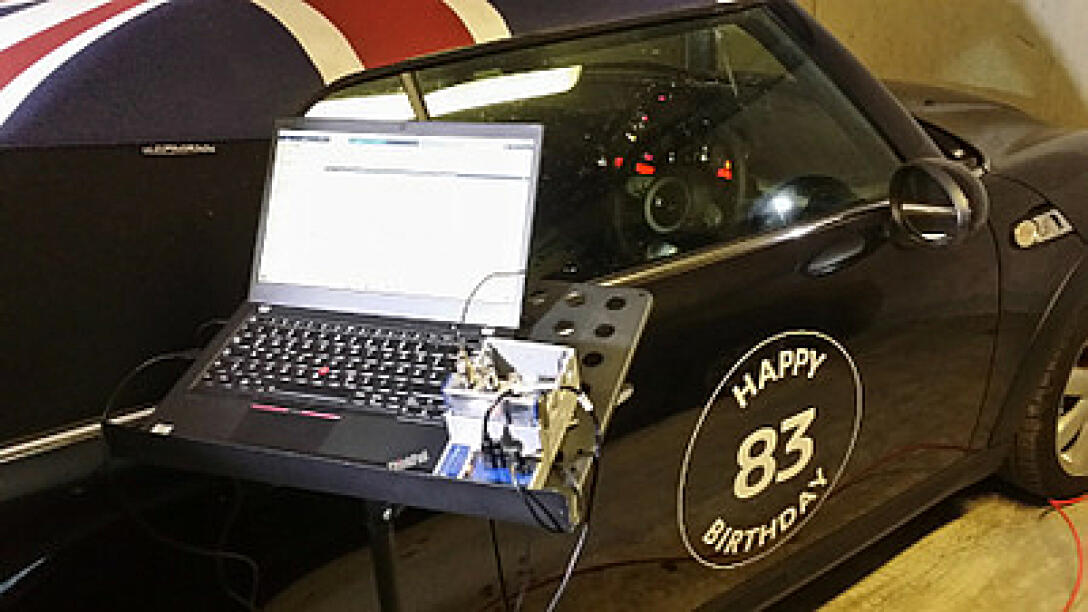
BMW Mini test vehicle
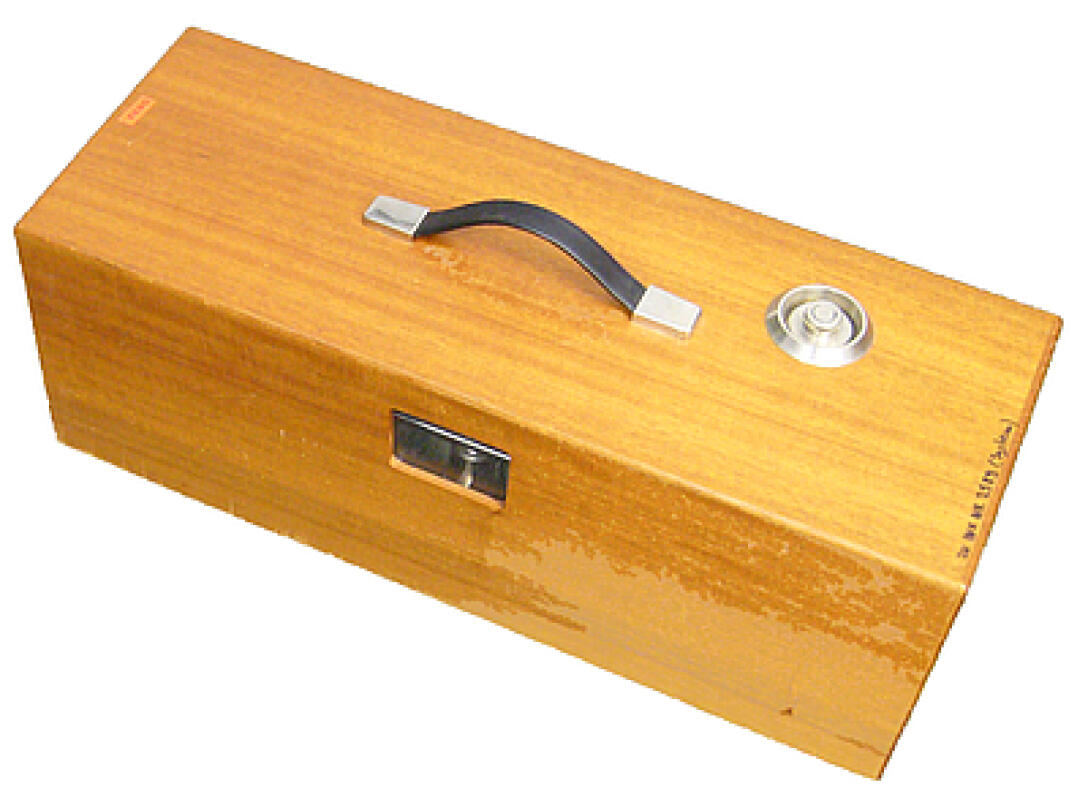
Building Acoustics Measurement System
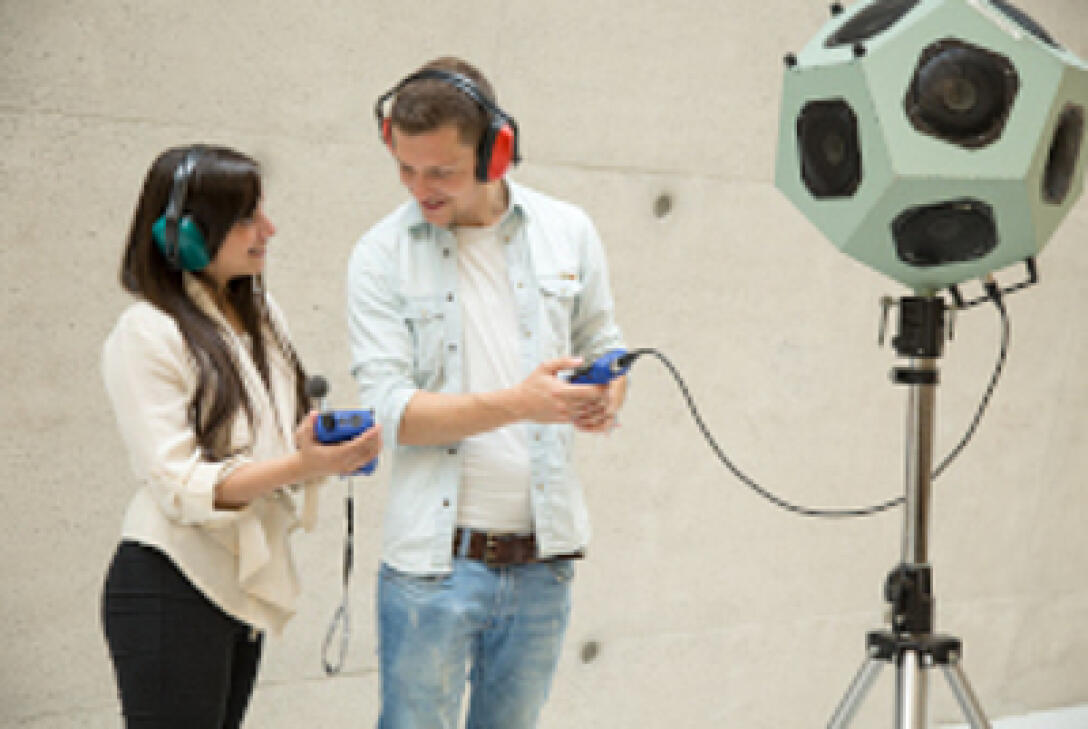
Device/Manufacturer:
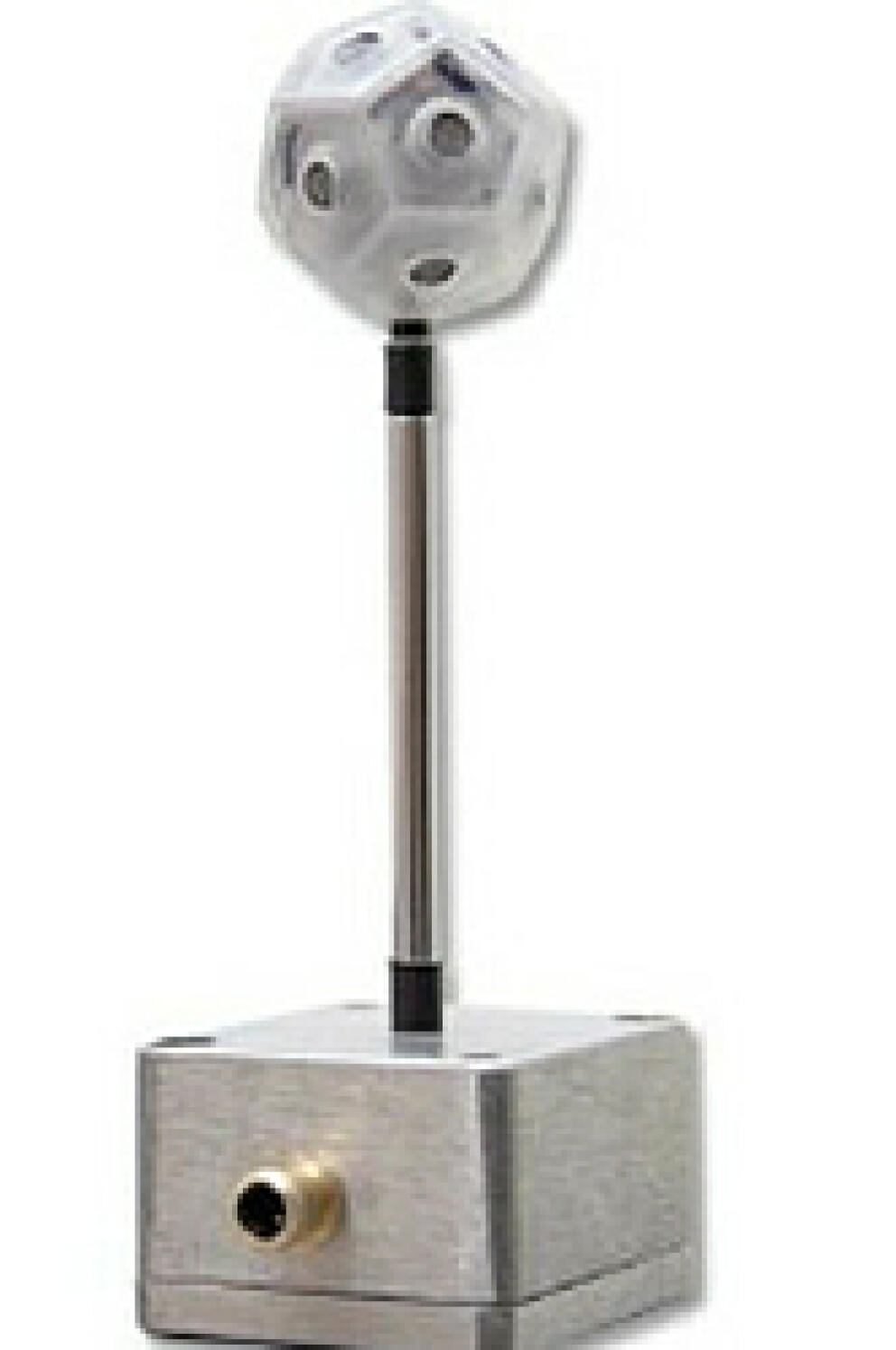
- Dodecahedron loudspeaker and power amplifier
- Norsonic standard hammer mechanism
- Rotating microphone boom
- SAMURAI measurement system with SAMBA option from SINUS Messtechnik
Physical parameters:
- Reverberation time of rooms
- Structure-borne sound insulation index of walls, doors and windows
- Impact sound
Areas of application:
- Building physics/building acoustics: complex building acoustics investigations in real buildings
COMSOL Finite Element Method
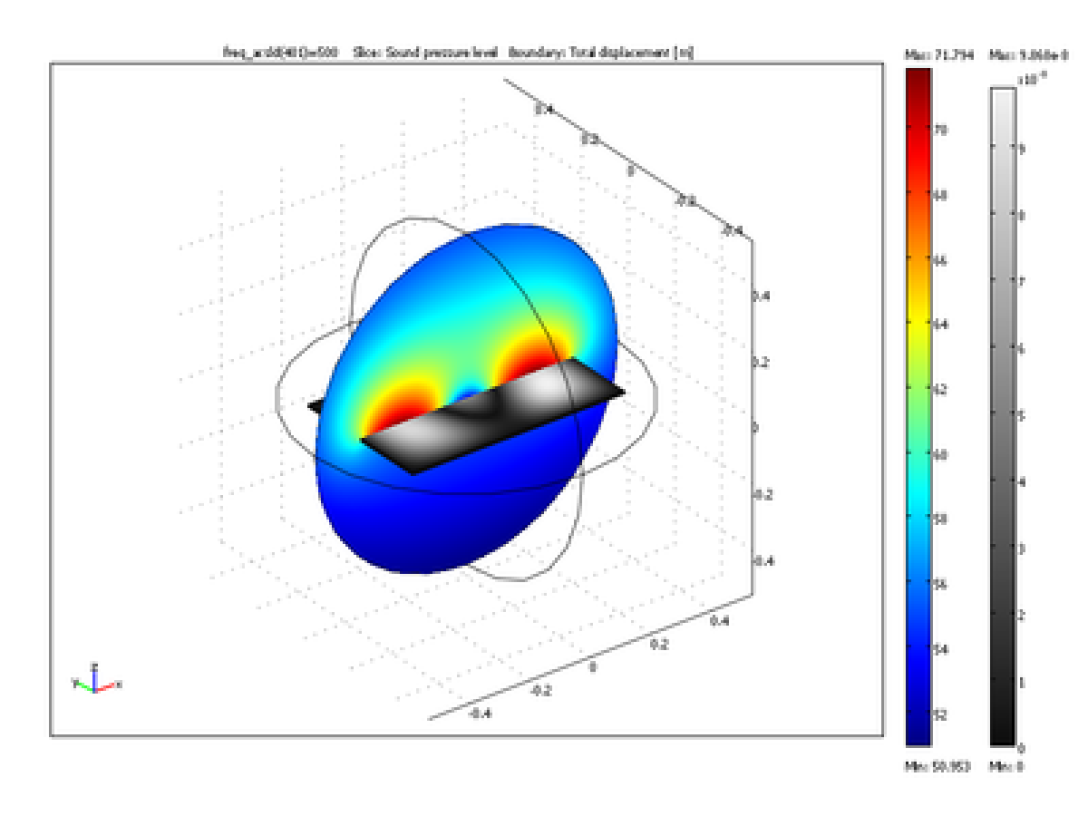
Device/Manufacturer:
- COMSOL Multiphysics software from COMSOL
Physical quantities:
- Description of physical processes using differential equations
- The software is based on the finite element method.
Areas of application:
- 1D, 2D and 3D simulations
- Coupling of different physical problems (multiphysics) is possible
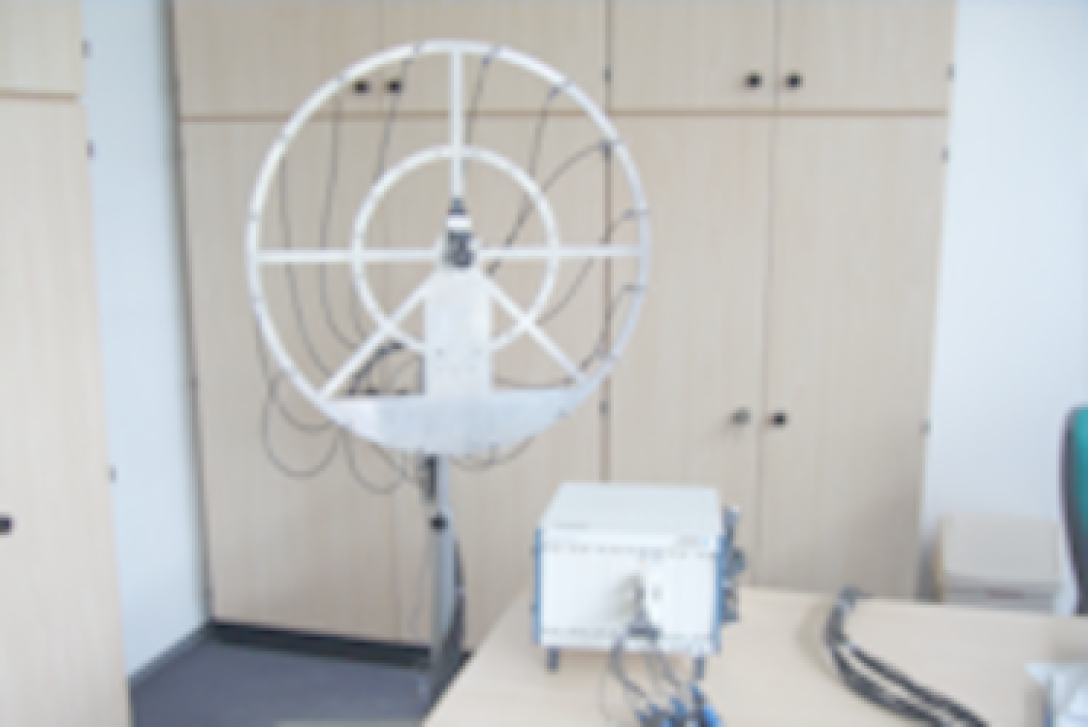
Acoustic camera
Device/Manufacturer:
- AED 7000 – AcoustiCam® from Gesellschaft für Akustikforschung Dresden mbH
- Hardware – NI PXIe-4496 AD/DA converter from National Instruments
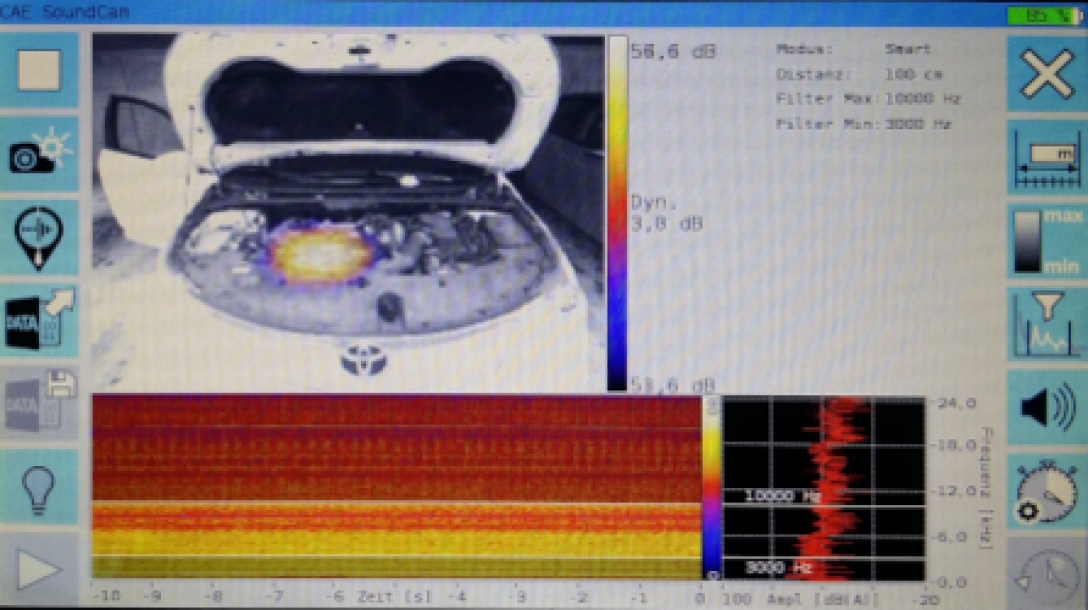
- SoundCam 2.0, CAE Software und Systems GmbH
Physical parameters:
- Localisation and separation of sound sources in the frequency range from approx. 500 Hz to 20 kHz. Any sound situation can be represented as coloured, two-dimensional, absolute sound pressure distributions using a single measurement or by continuous
- measurement along any scan area as coloured, two-dimensional, absolute sound pressure distributions. To visualise the sound situation, the
- localisation result is overlaid onto a video recording of the object under investigation.
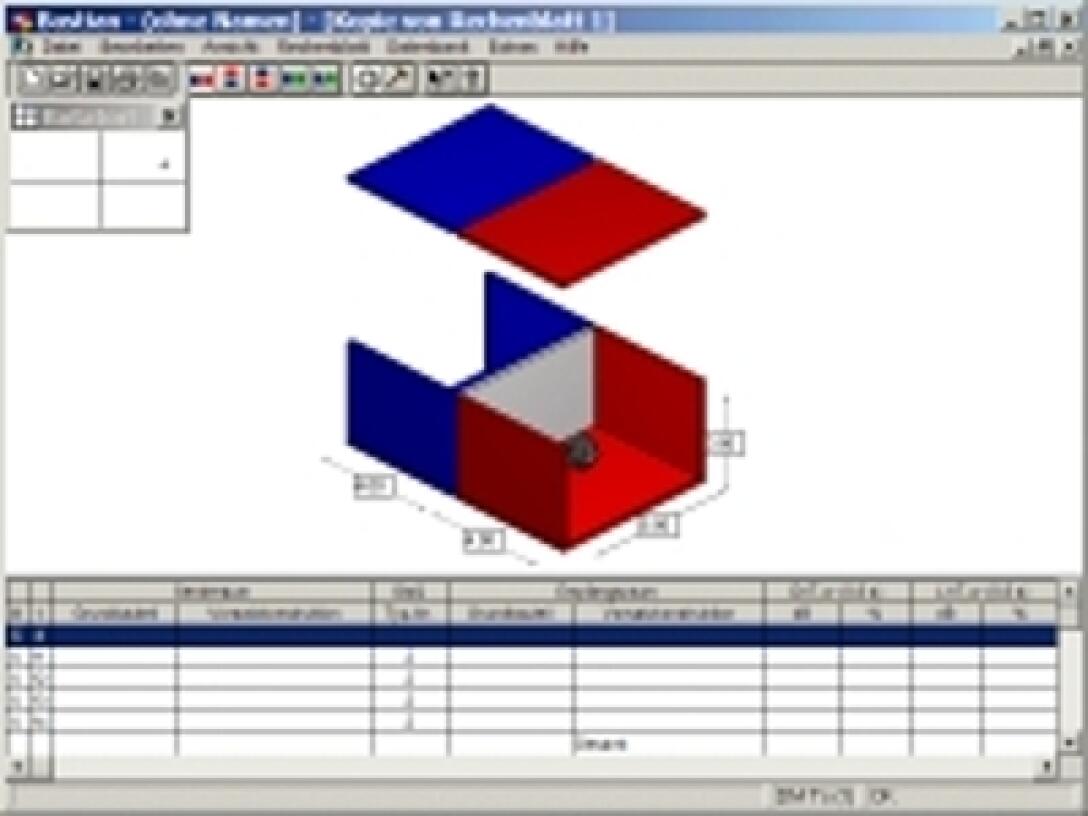
Building Acoustics Design Software
Device/Manufacturer:
- BASTIAN software / Company: DataKustik GmbH
Physical parameters:
- Acoustic design of building components in accordance with DIN EN 12354
Areas of application:
- Calculation of airborne sound insulation between rooms in accordance with DIN EN 12354-1 (in third-octave bands or using single figures)
- Calculation of impact sound insulation between rooms in accordance with DIN EN 12354-2 (in third-octave bands or using single-number values)
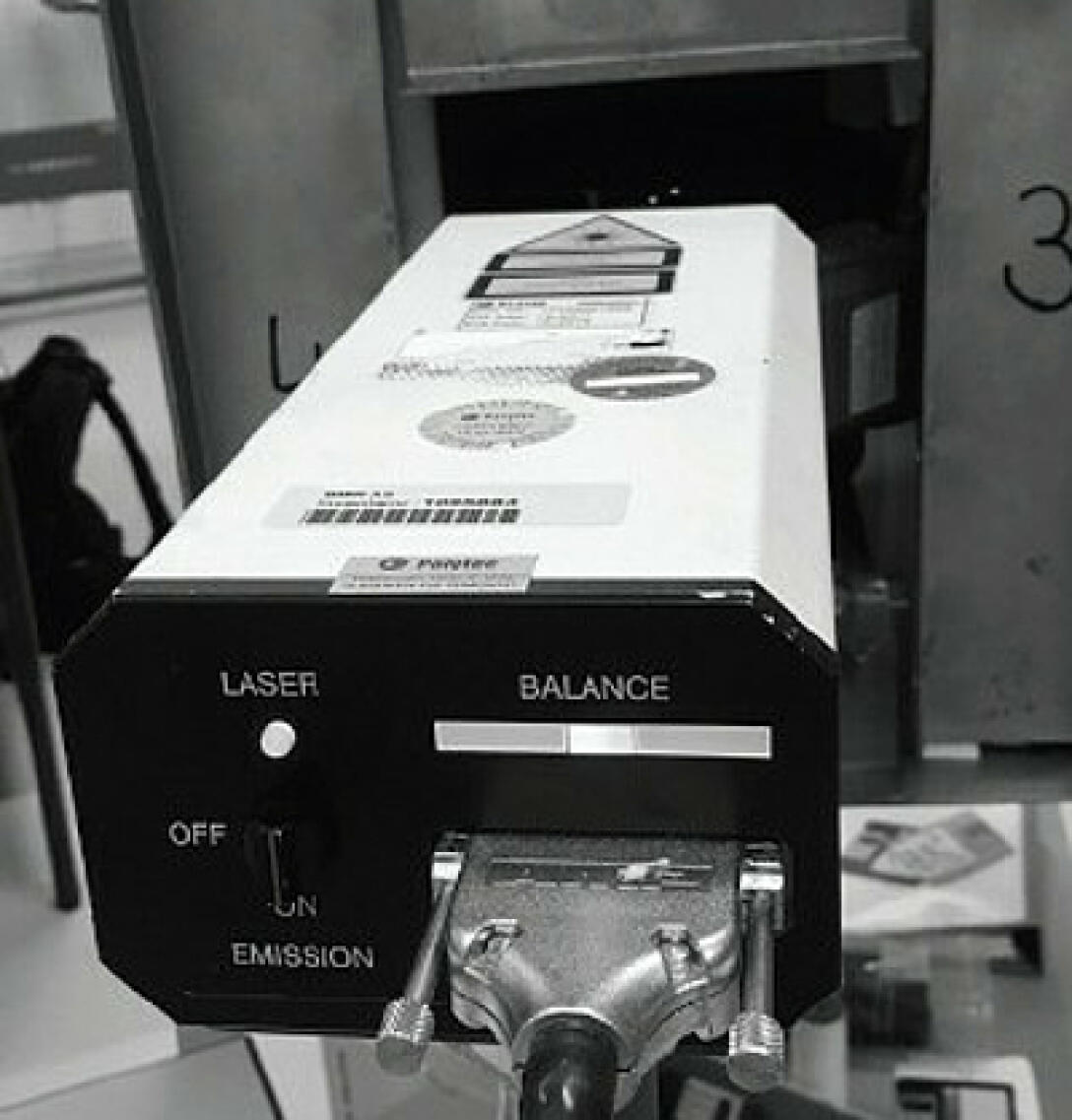
Optical vibration measurement technology – laser vibrometers
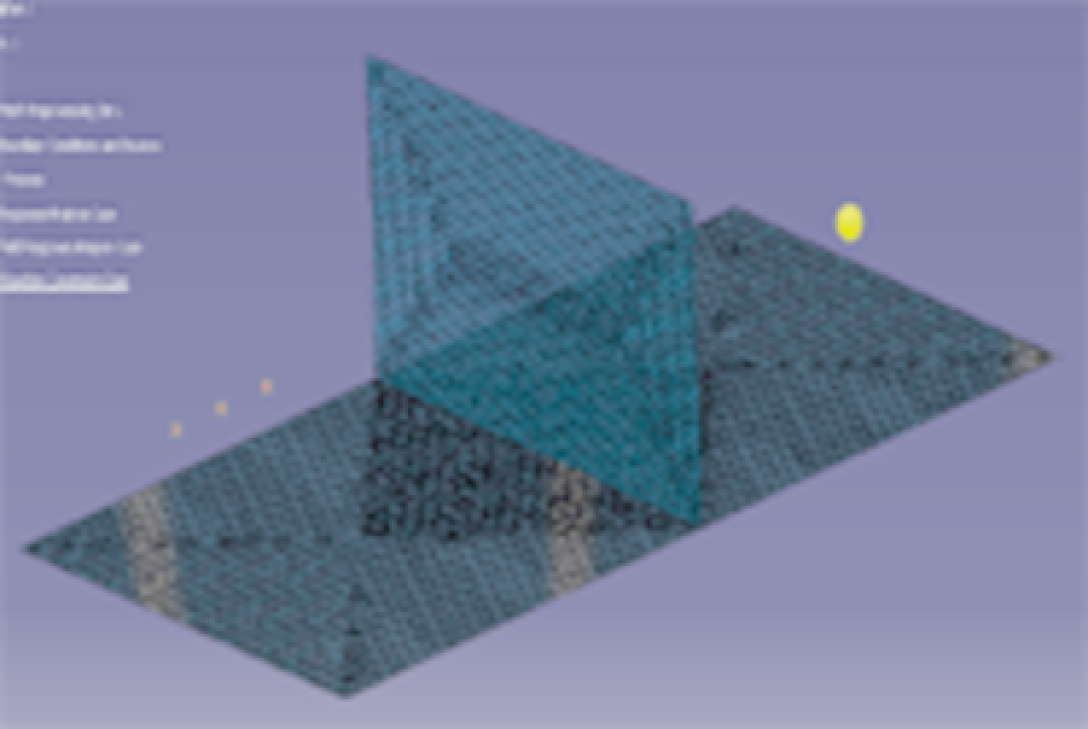
Boundary Element Method (BEM) in acoustics
Audiometry Test Station
Device/Manufacturer:
- KA 350 high-frequency audiometer,
- AT 235h tympanometer
Physical parameters:
- Human air- and bone-conduction hearing thresholds in the range 125 Hz … 16 kHz (delta L < 2.5 dB)
- Supra-threshold audiometry
- Tympanic membrane compliance, stapedius reflex
Applications:
- Assessment of hearing ability in test subjects
- Detection of hearing damage
Modal Analysis Test Rig
Device/Manufacturer:
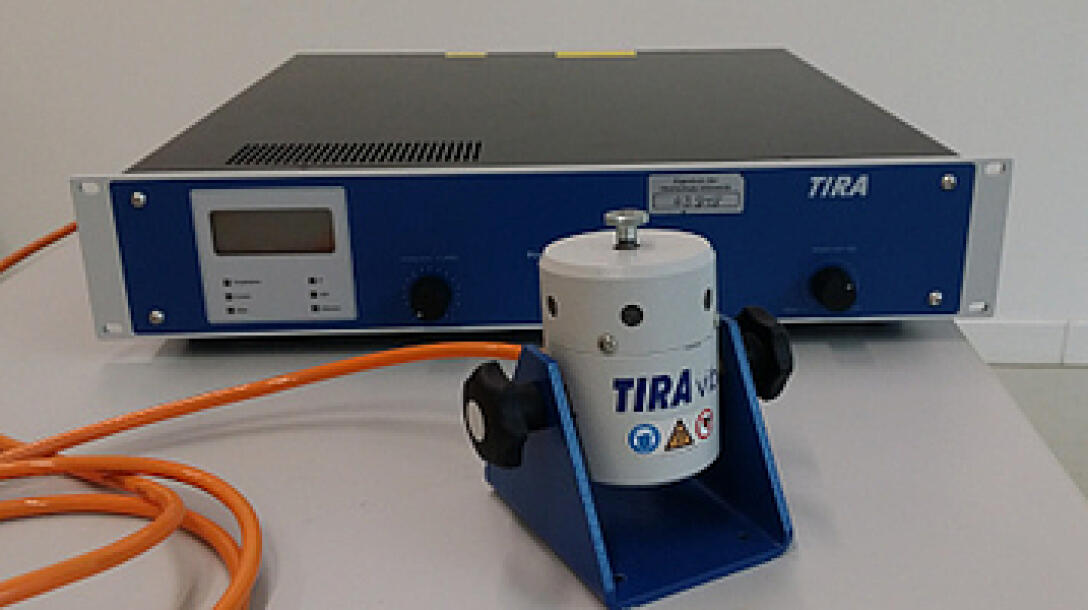
- LMS Pimento dual-channel analyser and Pimento software for frequency analysis and modal analysis, LMS
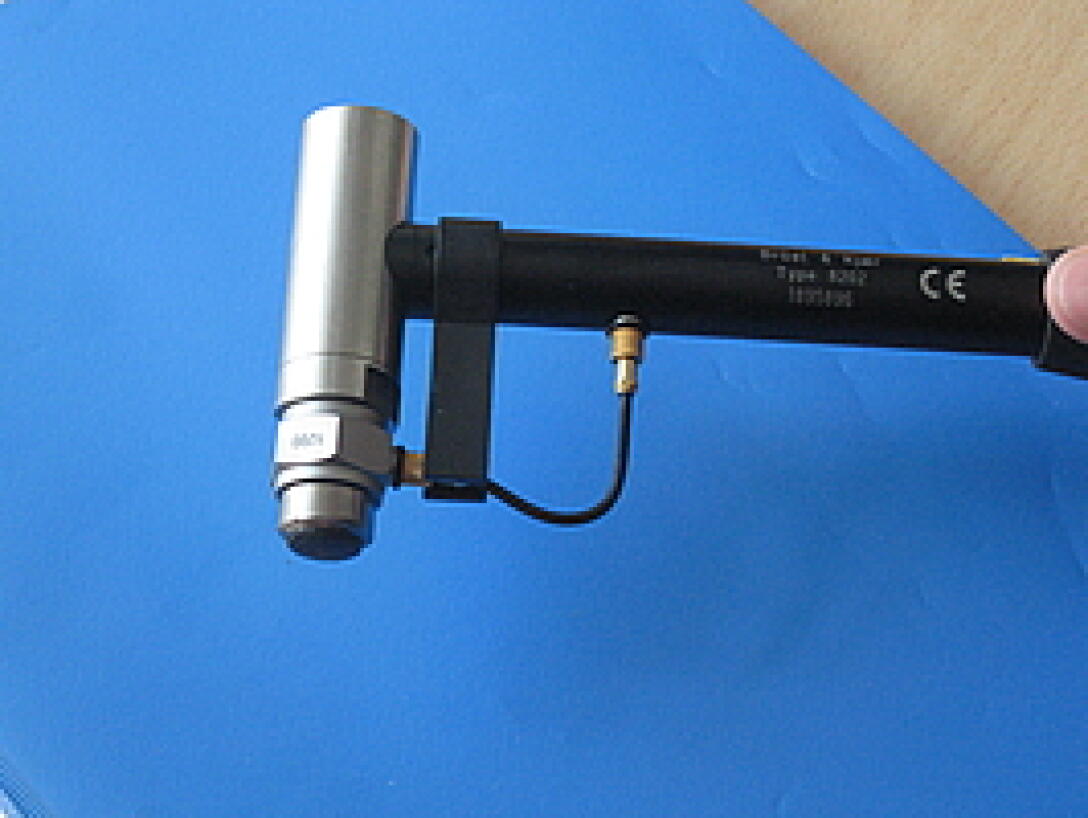
- Impact hammer, accelerometer and charge amplifier, Brüel & Kjaer
Physical quantities:
- Vibration acceleration, velocity and displacement of machine structures
- Frequency analysis
- Natural modes of structures (shape, frequency, amplitude)
Areas of application:
- Vibration analysis in the field of machinery acoustics: Analysis of plant and components
- Visualisation and animation of vibration modes (natural modes)
Signal Analysis Test Bench
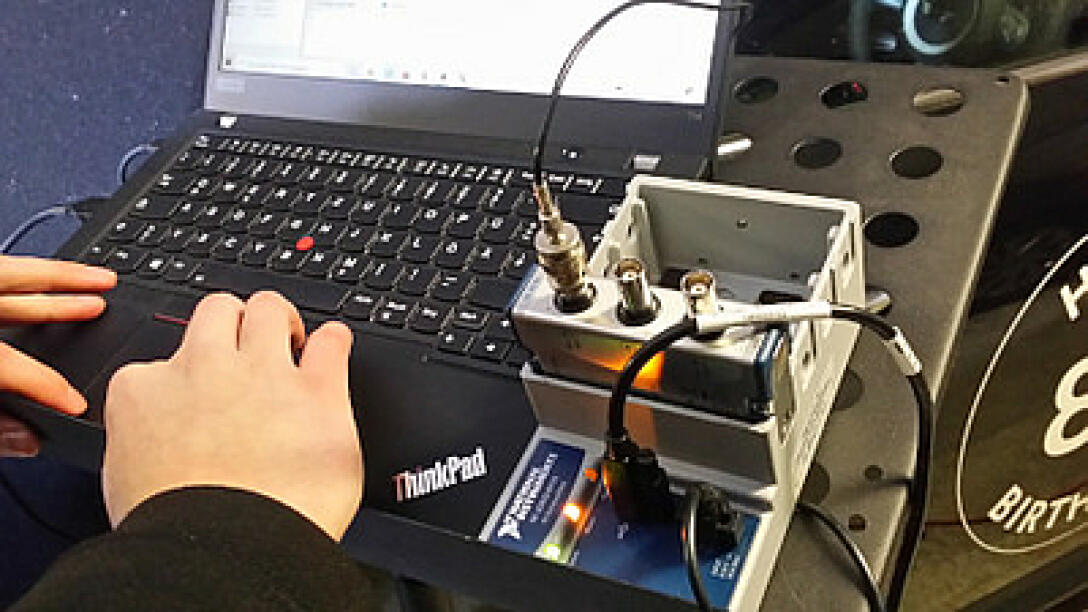
Device/Manufacturer:
- Measurement systems from SINUS and National Instruments
- Various function generators (e.g. HAMEG)
- HM 407 oscilloscope (HAMEG)
Physical quantities:
- Signal spectra (filtering, FFT)
- Auto- and cross-spectra
- Transfer functions
- Sound pressure level
Areas of application:
- Analysis of time-varying voltage signals (e.g. also as output signals from various sensors such as microphones or accelerometers)
- Noise analysis
Test facility for noise analysis and hearing-based sound assessment
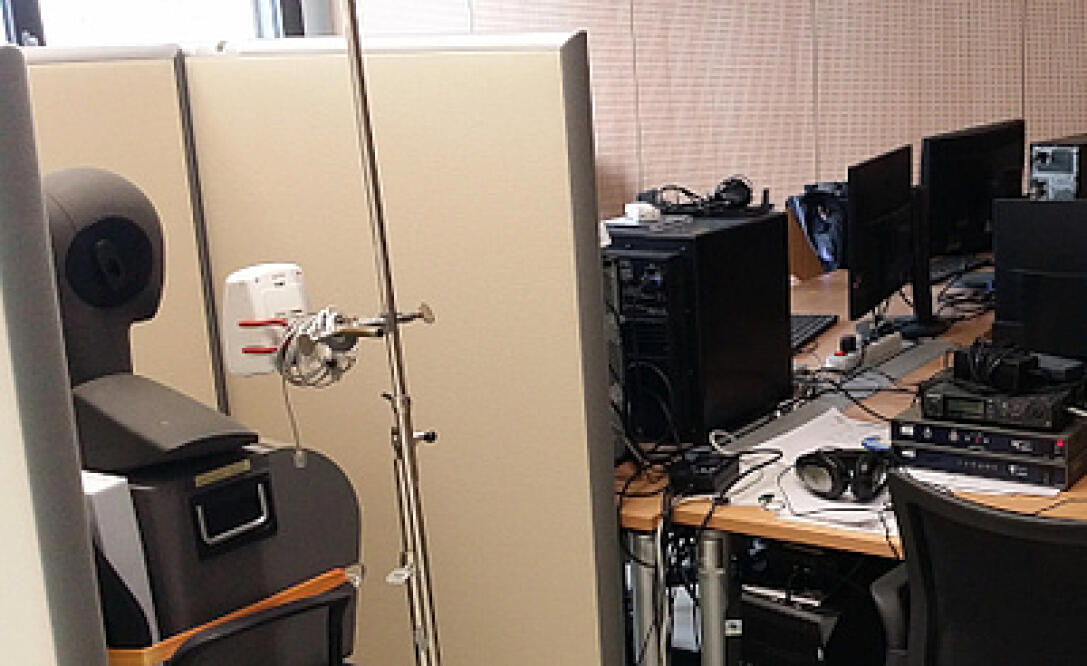
Equipment/Manufacturer:
- Artificial head, headband microphones, DAT recorder, ARTEMIS and unSQLab analysis systems (portable), 8 headphone playback stations from HEAD Acoustics
Physical parameters:
- Sound pressure level (various frequency and time weightings)
- Spectra (filter, FFT, wavelet)
- Correlation functions, transfer functions
- Statistical parameters (percentiles, etc.)
- Psychoacoustic parameters (loudness, roughness, sharpness, tonality, etc.)
- Modulation spectra
Areas of application:
- monaural and binaural recording
- Noise measurement and analysis
- Signal analysis; psychoacoustic analysis
- Auditory comparisons
- Sound design (e.g. filtering using various editable filters); investigations into noise quality and annoyance
Two-microphone impedance tube test rig
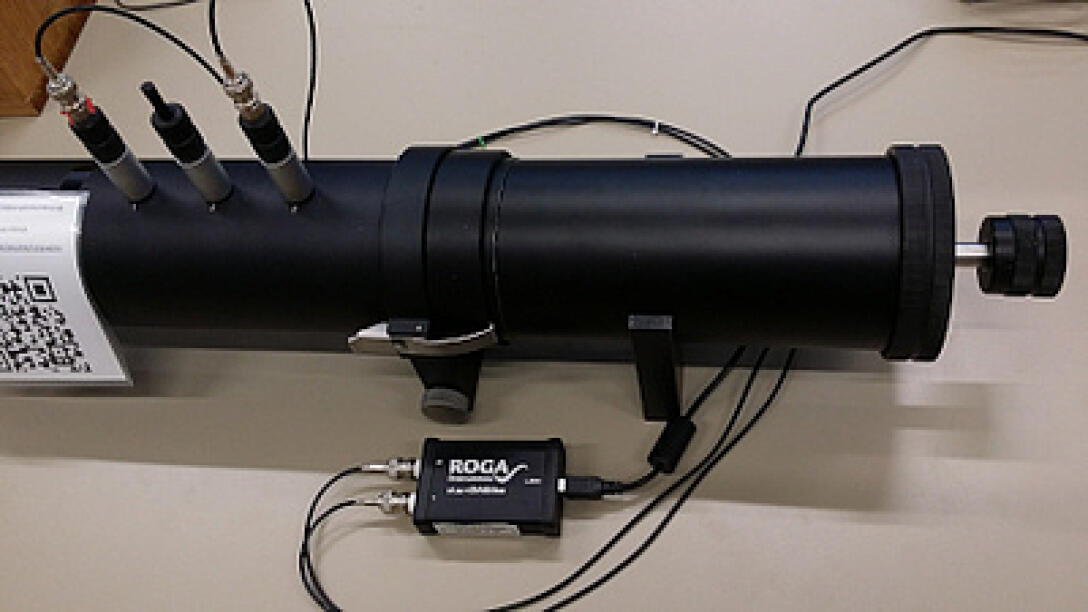
Equipment/Manufacturer:
- B&K 4206 dual-microphone impedance tube, including analyser and computer with control and evaluation software
Physical quantity:
- Acoustic absorption coefficient alpha of materials
- Complex reflection factor
- Complex impedance
- Measurement for perpendicular sound incidence in the frequency range 50 Hz to 6.4 kHz
Areas of application:
- Investigation of materials used as acoustic absorbers in the fields of building acoustics and machinery acoustics
Measurement system: noise and vibration measurement, dosimetry
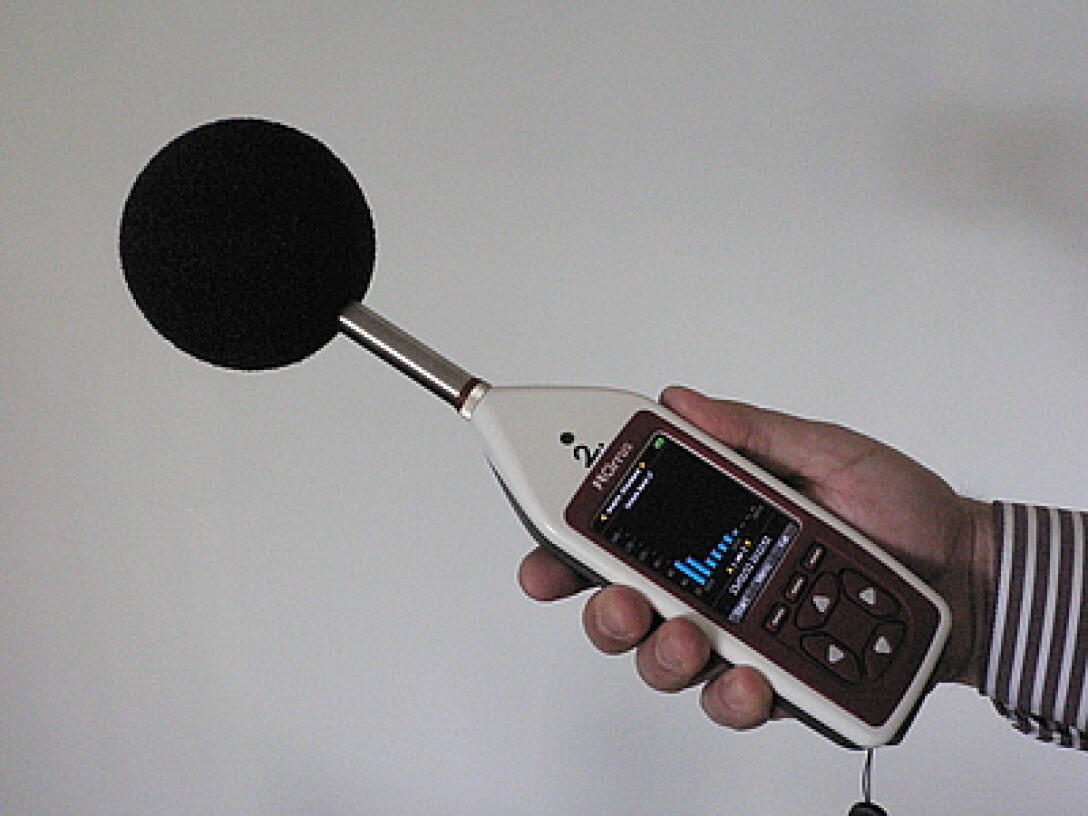
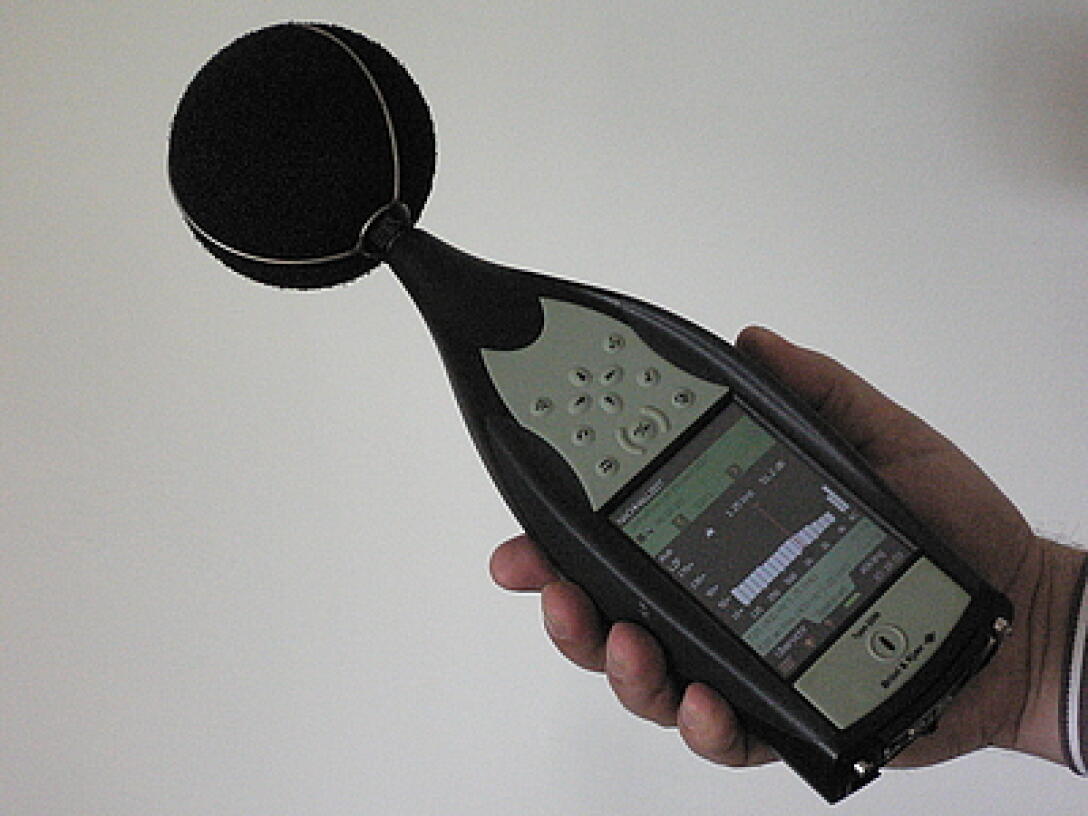
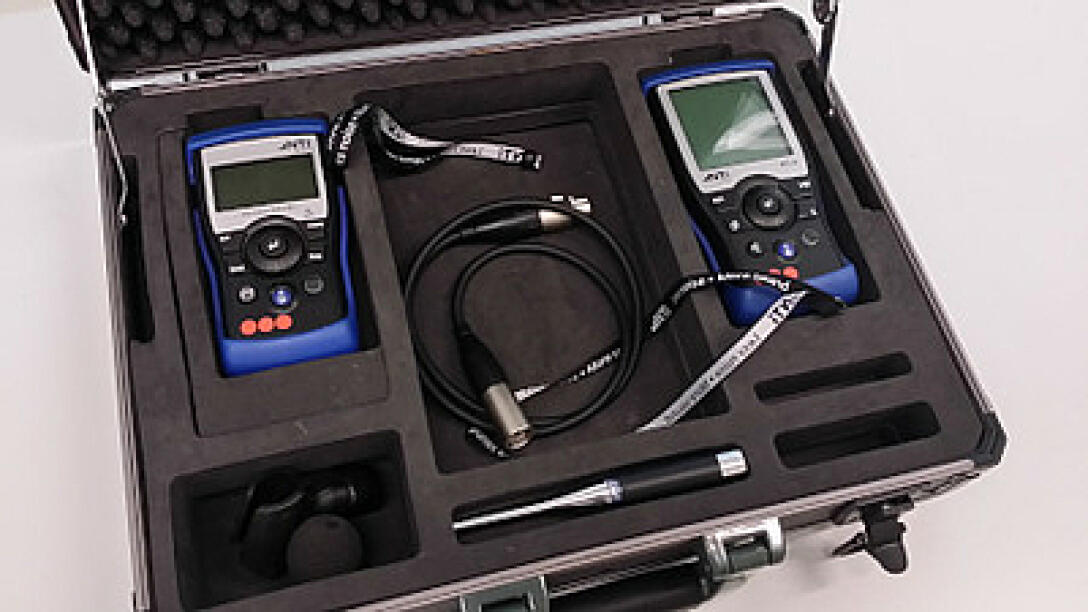
Equipment/Manufacturer:
- Various handheld sound level metres, noise dosimeters, vibration meters and analysers
- 6 NTI Audio XL2 handheld sound level metres
- 3 ‘Optimus’ handheld sound level metres, Class 1 and Class 2, manufactured by CIRRUS
- 2 CEL-281 computing dosimeters from CEL, and a VA 10 analyser and vibration meter from RION
- CEL 593 sound analyser, including modules for building acoustics and transient signals, manufactured by CEL
- Brüel & Kjaer 225 sound analyser
- Impedance measurement probe
- Various measuring microphones and accelerometers
Physical quantities:
- Sound pressure level (various time and frequency weightings)
- Averaged levels
- Spectra
Areas of application:
- Investigation of noise emissions, e.g. industrial noise in the neighbourhood (TA Lärm)
- Noise in the workplace, traffic noise and much more
Sound intensity and sound power measurement system
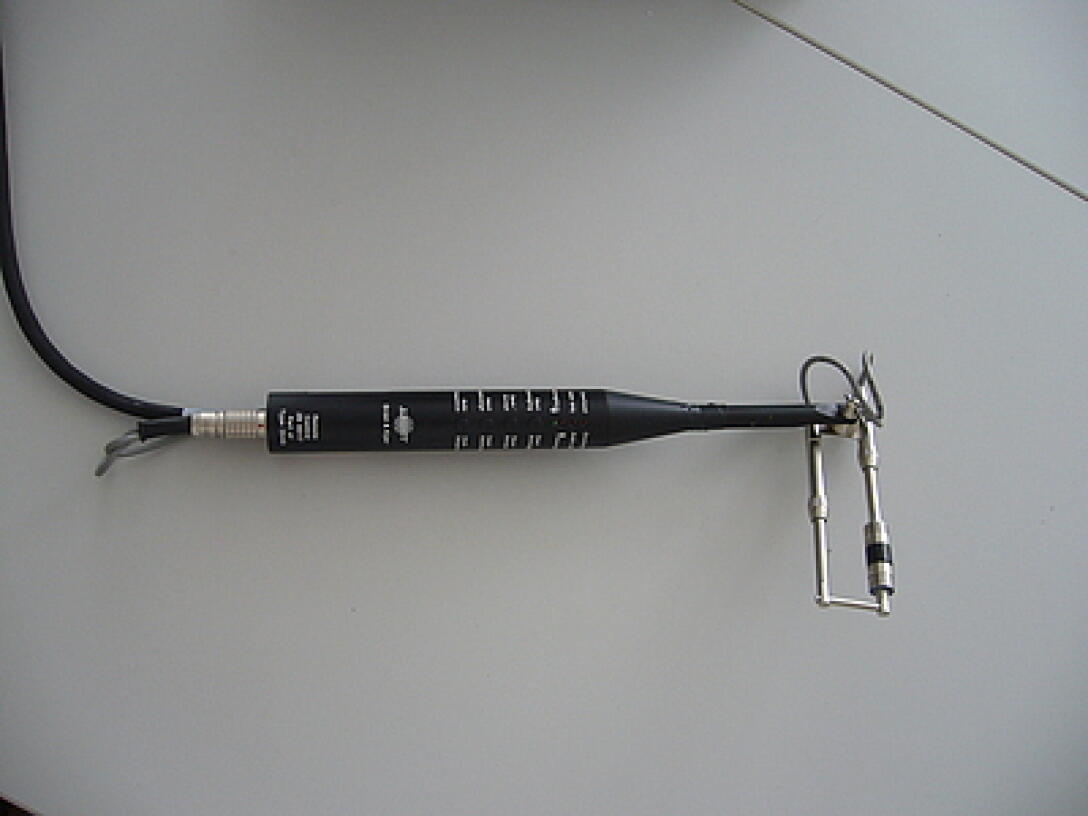
Equipment/Manufacturer:
- B&K 3541 sound intensity calibrator, B&K 4205 controllable and calibratable sound power source from Brüel & Kjaer
Physical quantities:
- Sound intensity, pressure and velocity
- Spectra
Areas of application:
- General sound analysis
- Determination of sound power from machinery and plant, sound source localisation
- Verification of the calibration of sound intensity measurement systems
Noise emission forecast
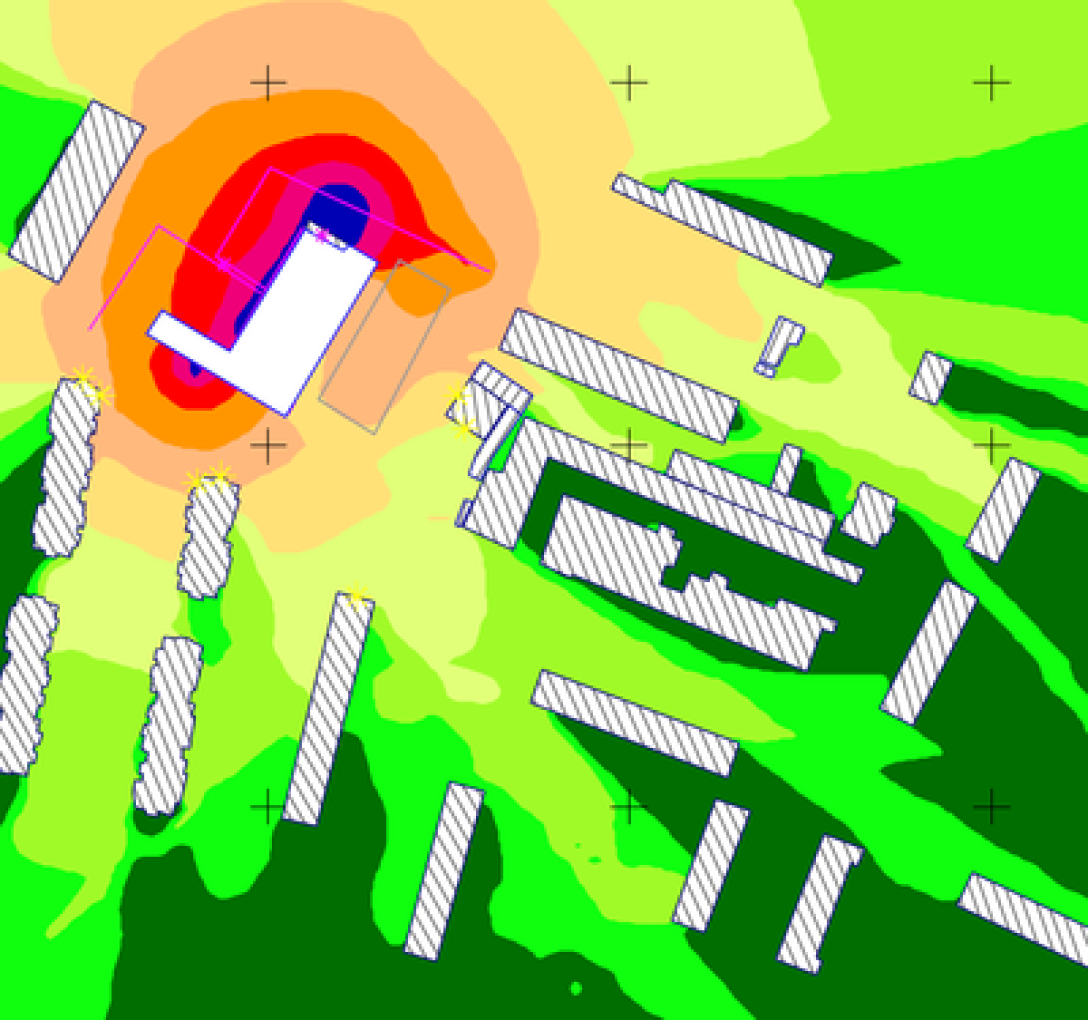
Device/Manufacturer:
- IMMI noise emission prediction software from WÖLFEL
Physical parameters:
- Calculation values for noise levels, e.g. in accordance with DIN 18005, VDI 2714, RLS 90/19, XPS, Schall 03
Areas of application:
- Noise emission prediction for outdoor sound propagation across varying topography, built-up areas and different types of noise sources (road traffic, rail traffic, point and area sources for industrial noise, etc.)
- Production of noise contour maps
- Comparison with limit and guideline values for areas with different types of building use