This page was translated automatically using artificial intelligence (DeepL). The German version is binding. More information about automatic translation
Laser technologies
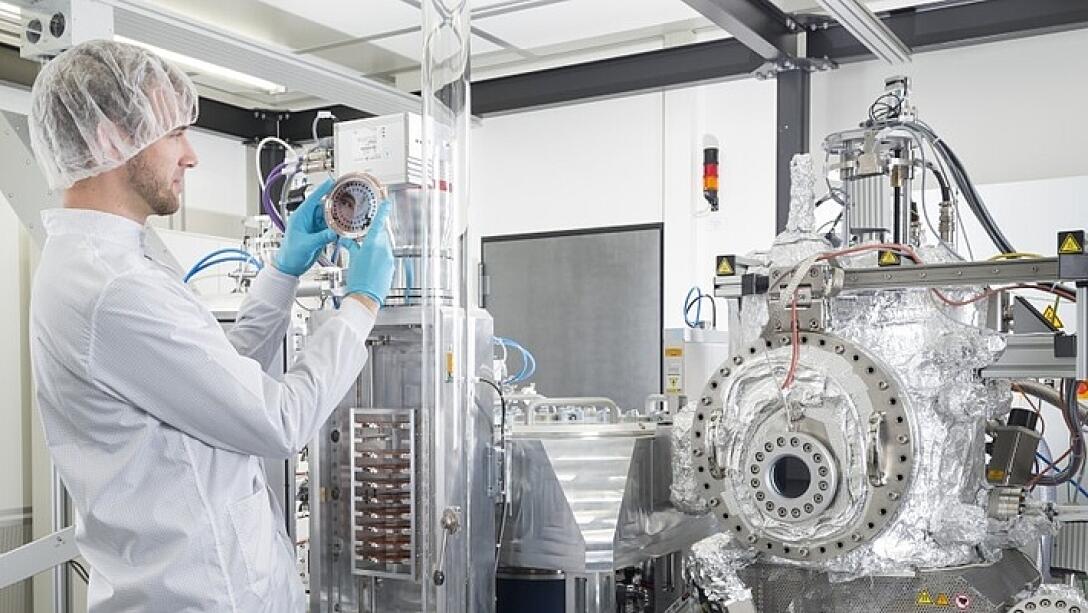

Research areas:
- Laser micro- and nano-machining, UKP processes
- High-rate laser processing, surface treatment
- Laser pulse deposition, thin-film systems
- Additive manufacturing processes (3D Printing)
- Macro-technologies, laser process technology
- Photonics, optical measurement technology
- Modelling and simulation
Laser Technology has a tradition stretching back over 50 years at Mittweida University of Applied Sciences and is now the university’s number one research priority, regularly accounting for more than a third of its external funding. Six professors and more than 50 staff members pool their expertise at the Mittweida University of Applied Sciences Laser Institute (LHM). Research and development, as well as knowledge transfer activities such as spin-offs, consultancy, testing and continuing professional development, are among the LHM’s priority tasks, alongside academic education (the Physical Engineering degree programme). The Mittweida University of Applied Sciences Laser Institute is one of Germany’s leading research institutions in Laser Technology, with globally recognised research findings on innovative processes. To this end, a new research building completed in 2016 houses over 60 laser systems covering all standard wavelengths and power ranges across 40 laboratories.
Product and Process Development
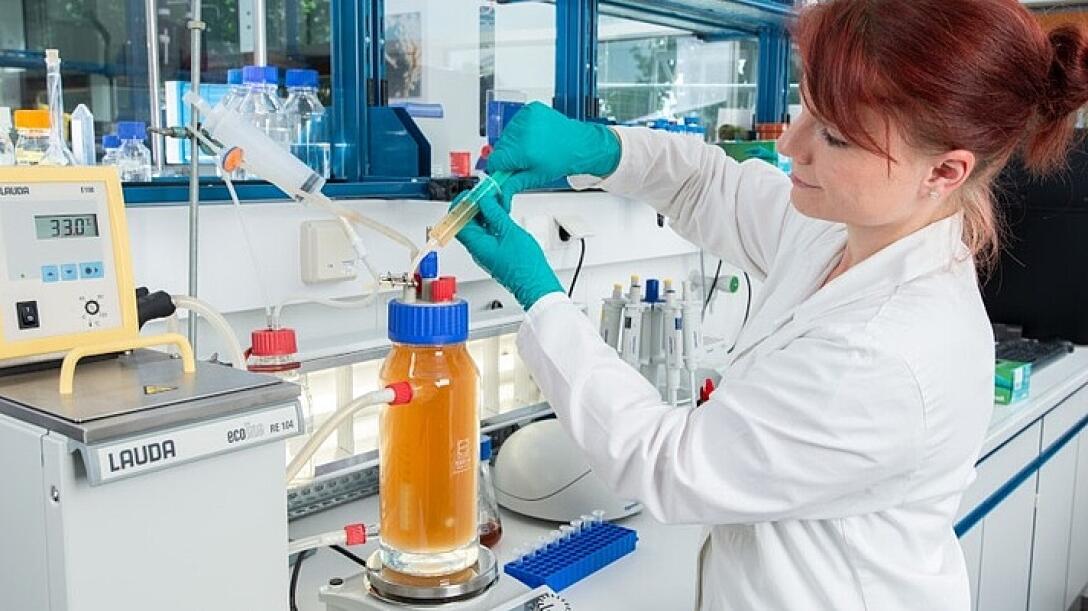
Research areas:
- Energy Technology and Systems
- Resource Management
- Information and Systems Electronics, Embedded Systems
- Manufacturing Technologies, Work Planning
- Materials & Surface Technologies
- Drive Systems, Robotics; Automation – Industry 4.0
- Component development and evaluation, fibre composites
- Biological Systems and Technologies
The research areas in product and process development are characterised by a specific range of engineering and natural science disciplines with overlaps with Business Engineers. The research and technology transfer activities of this research focus regularly account for more than 30 per cent of the university’s external funding and form an important basis for generating product and process innovations. Key areas of expertise in product and process development are concentrated in the following in-house institutes: the InnArbeit Institute – Centre for Innovative Work Planning and Ergonomics, and the Institute for Energy Management (ifem).
Digitalisation in the economy and society
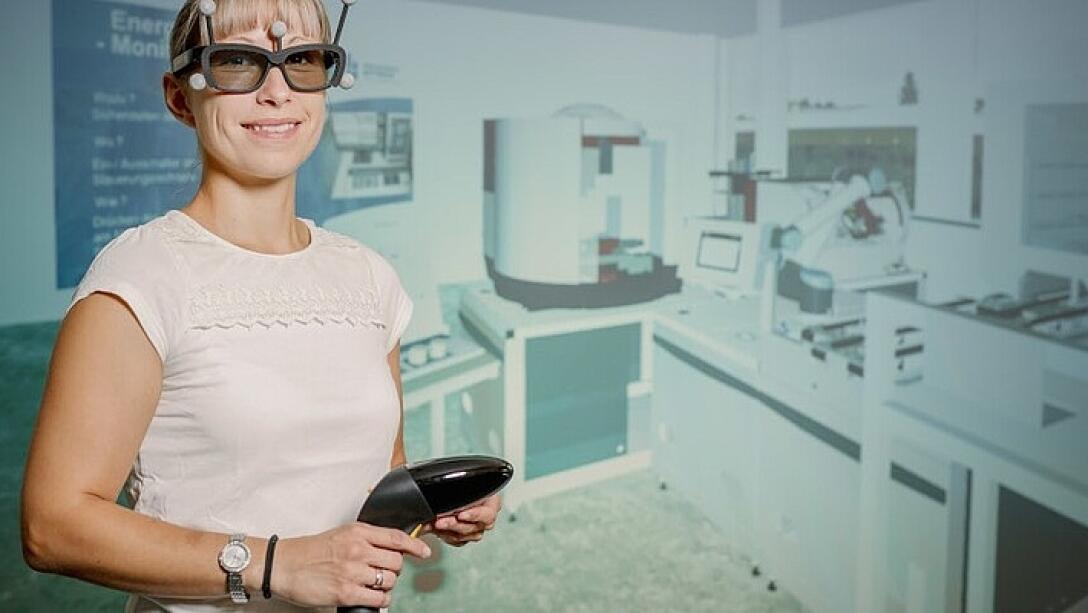

Research focus areas:
- Challenges of economic and social change, Open Government
- Working environments, life circumstances and quality of life, mobility
- Regional Development and Entrepreneurship
- Digital educational technologies
- Innovative media technologies, applied acoustics
The research profile areas in the context of digitalisation in the economy and society encompass research approaches aimed at addressing the challenges of economic and social change. Intensive research is conducted across faculties within the research areas focusing on working environments (including mobility), life circumstances and quality of life, as well as regional development and entrepreneurship. The ‘Digital Educational Technologies’ research area focuses on enhancing teaching and learning processes as higher education undergoes digitalisation, by developing and applying suitable technologies and platforms with the aim of improving academic success and the quality of study programmes.
Applied Computer Science
Research areas:
- Information and Communication Technology, Networks and Distributed Systems
- Machine Learning, Applied Mathematics
- Big Data, Blockchain/DLT, Cryptography
- Software Engineering, Visualisation
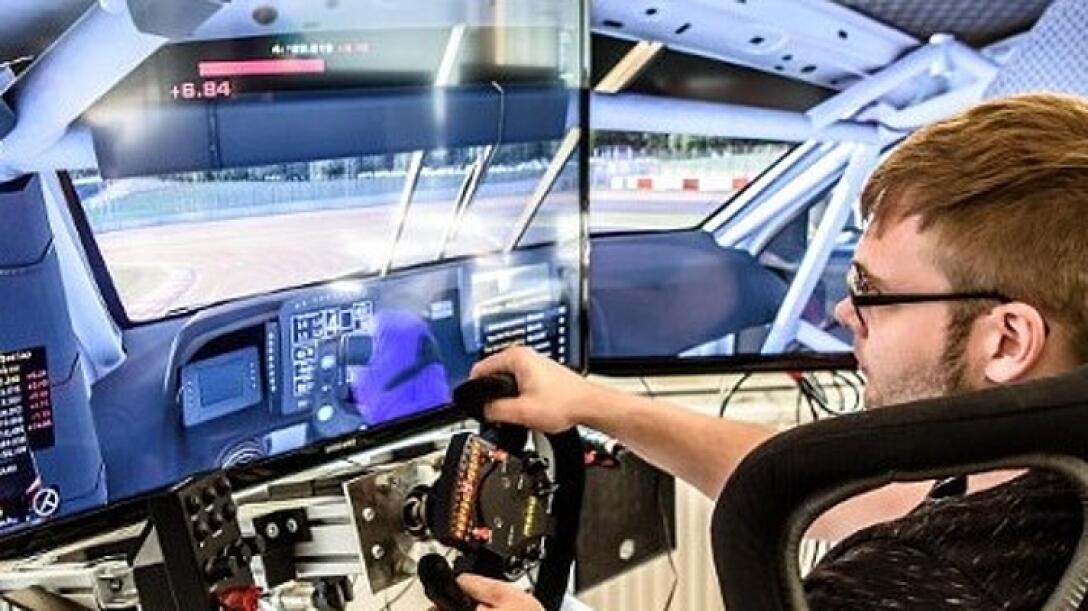
- Web, app, cloud and gaming technologies, IoT
- Virtual Reality / Augmented Reality
- Bioinformatics, Digital Forensics & IT security
Computer scientists and mathematicians from Mittweida conduct research across a wide range of application areas, from software technology and software engineering, through artificial intelligence and network technologies, to distributed and mobile systems, with the aim of systematically developing efficient algorithms for practical solutions. Particularly strong research profiles can be found in the fields of big data (e.g. blockchain/DLT), bioinformatics, digital forensics, IT security, mathematics and machine learning / AI. Key research topics in the field of media informatics include web, app, cloud and gaming technologies, the Internet of Things (IoT), and virtual reality/augmented reality.